Revolutionizing urban mobility with high-range, affordable compact electric vehicles
The best small electric cars of 2026 are defined by a shift toward affordability, improved kilowatt-hour efficiency, and real-world urban usability. With EV price parity getting closer, manufacturers are focusing on compact platforms, LFP battery longevity, and faster 10–80% charging times.
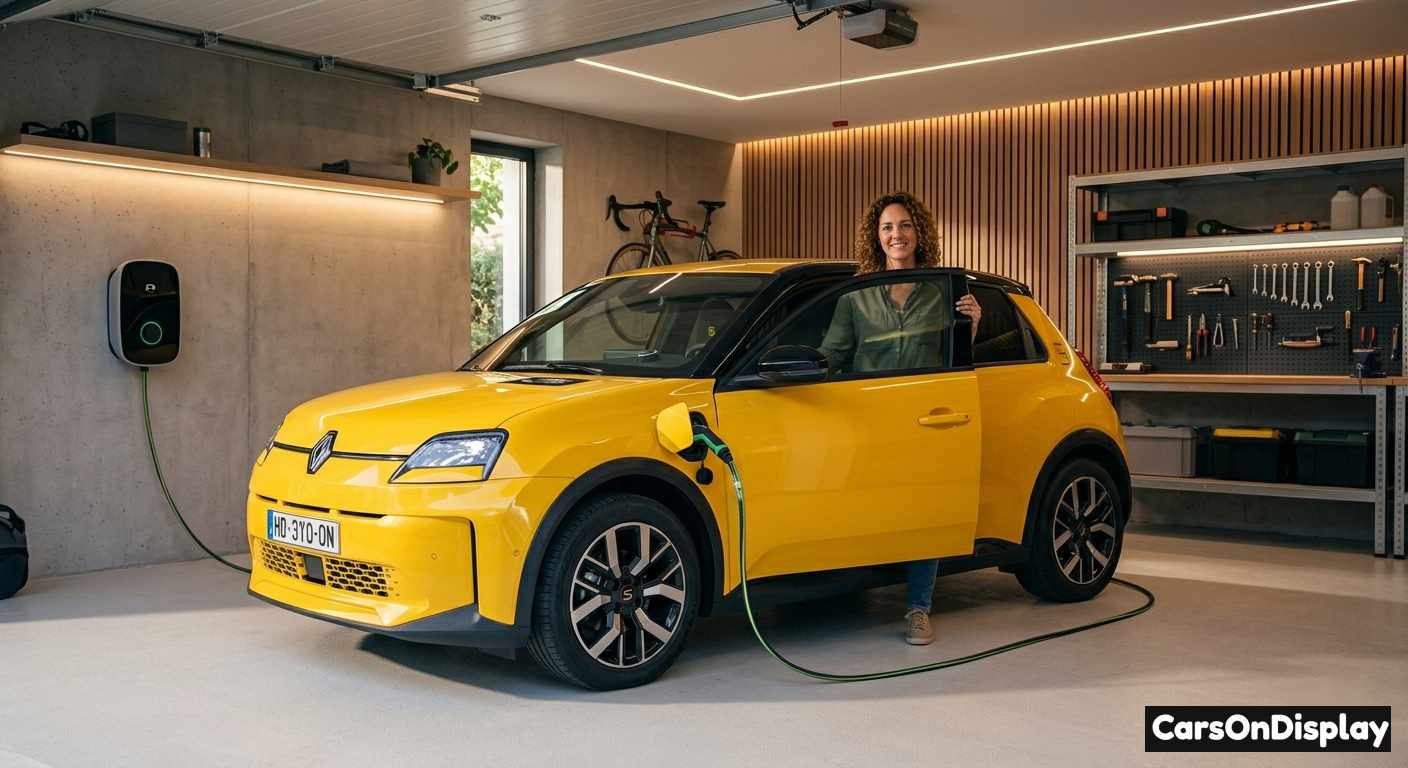
From retro-inspired hatchbacks to premium compact SUVs, this year’s small EV lineup delivers strong regenerative braking performance, smarter packaging, and practical range figures between 250–450 km, ideal for daily commuting and urban mobility.
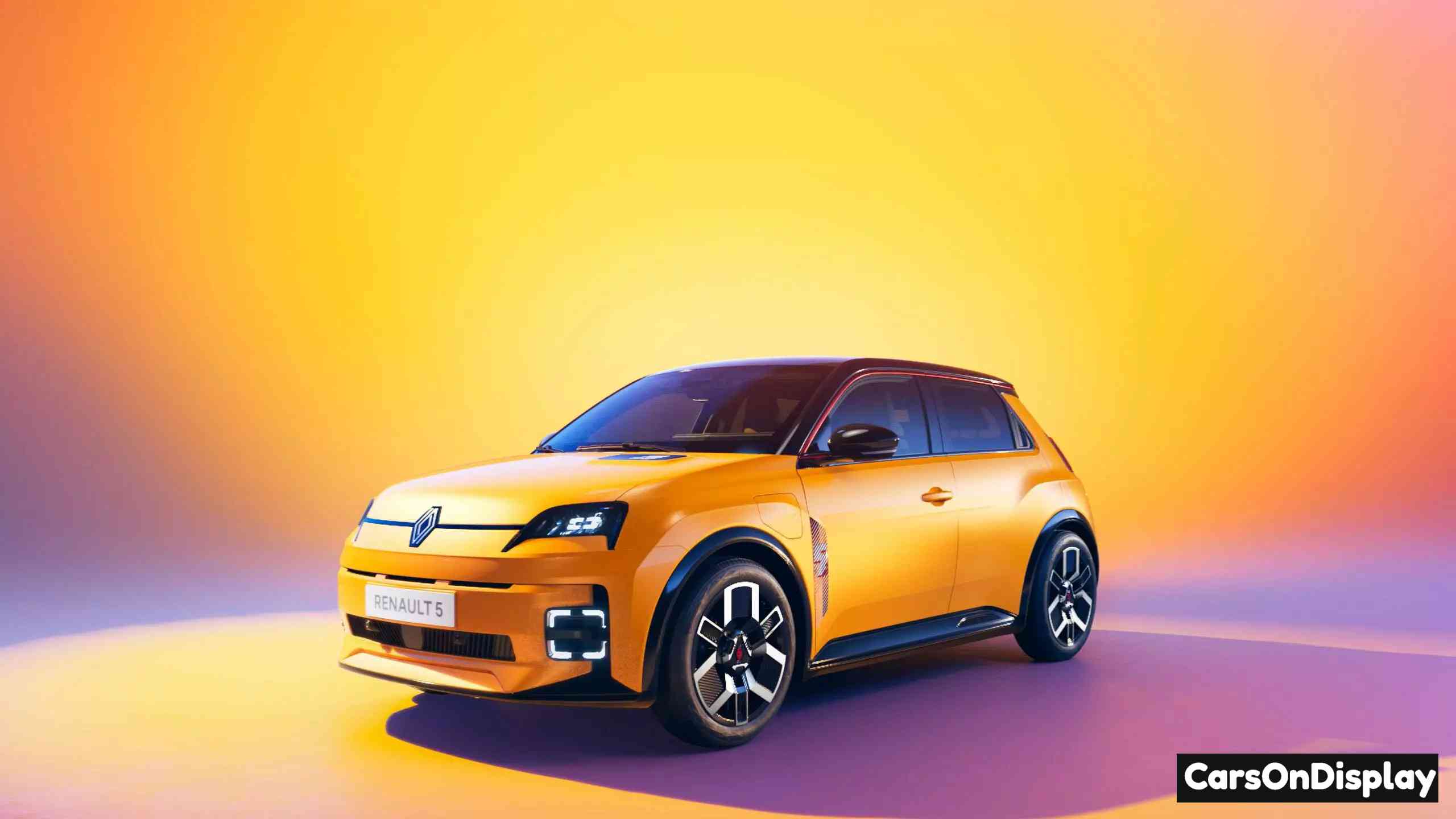
The Renault 5 E-Tech represents the strongest return of a legacy nameplate into the EV era. Built on Renault’s AmpR Small platform, it balances affordability with advanced battery management systems and strong regenerative braking performance. Its compact footprint makes it ideal for urban mobility, while its refined ride quality and efficient drivetrain deliver impressive kilowatt-hour efficiency. This model sets a new benchmark for small electric cars in 2026 by combining character, practicality, and cost control.
Key specifications for Renault 5 E-Tech
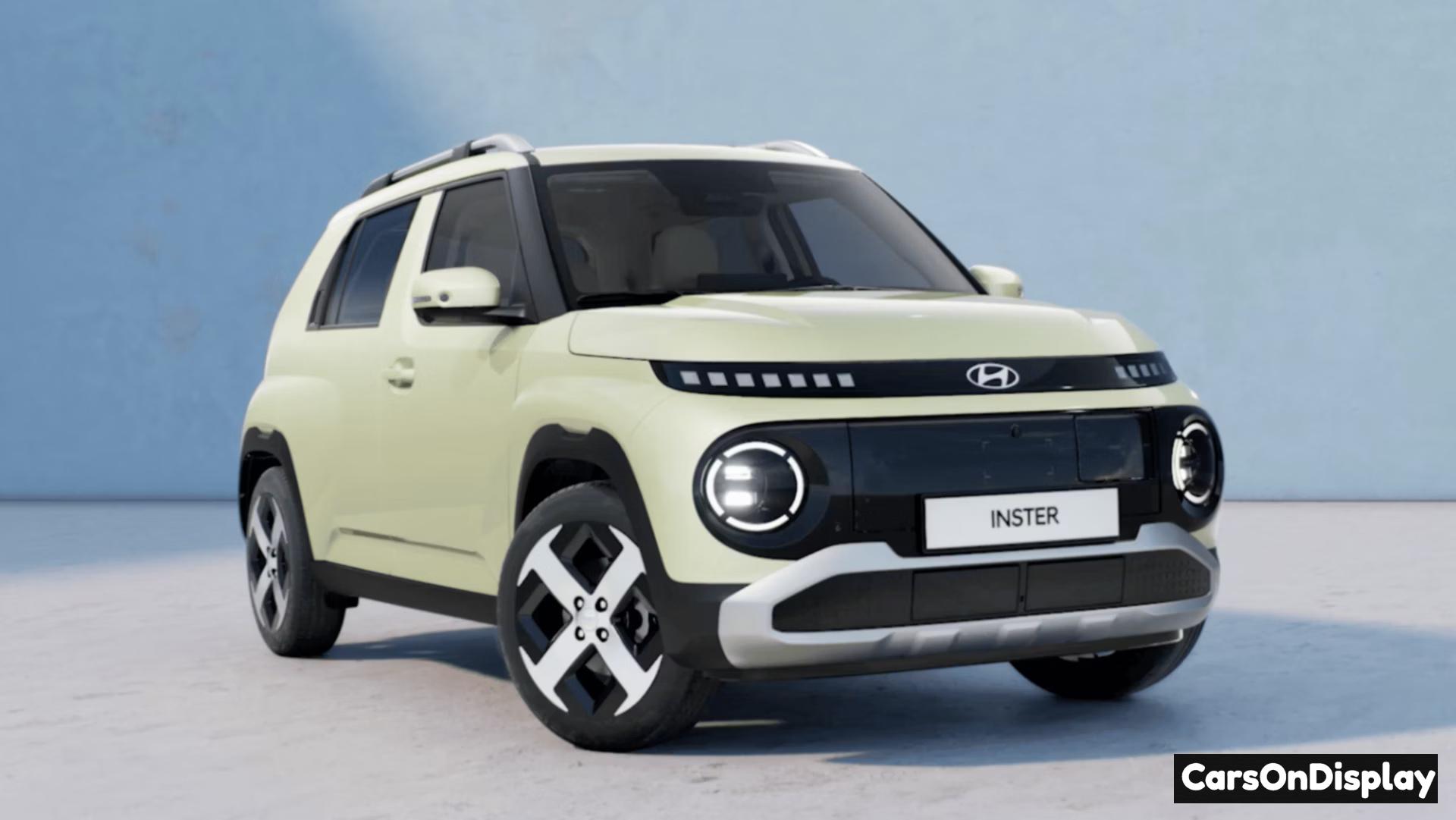
The Hyundai Inster pushes the boundaries of what a budget EV can offer in 2026. Designed with urban mobility in mind, it uses a highly efficient LFP battery option to improve longevity and reduce ownership costs. Despite its compact size, the cabin feels surprisingly spacious, thanks to clever packaging. Hyundai has prioritized fast charging and digital connectivity, making the Inster a practical choice for city dwellers seeking EV price parity without sacrificing modern features.
Key specifications for Hyundai Inster
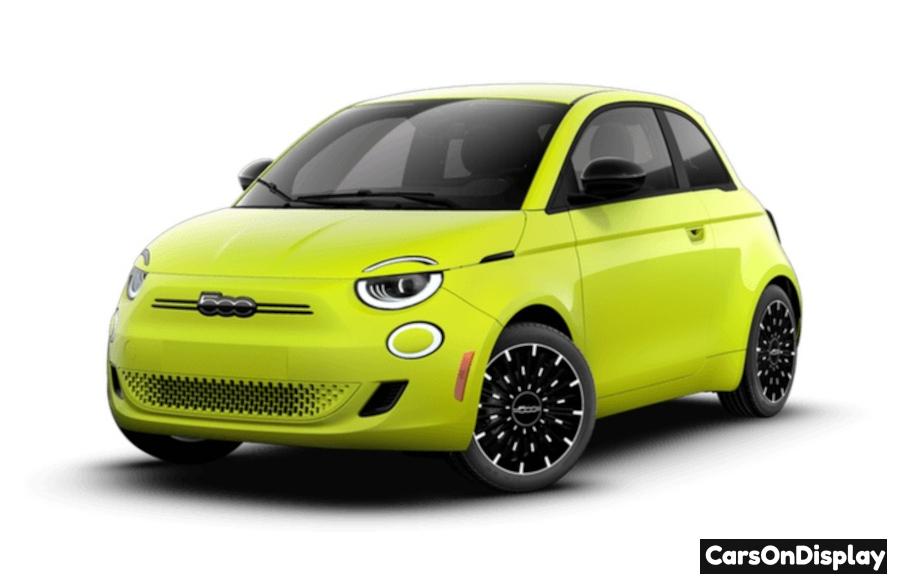
The Fiat 500e remains one of the most recognizable small electric cars, but in 2026 it stands out for its refined efficiency and city-first engineering. Its lightweight structure and optimized regenerative braking system maximize range in stop-and-go traffic. While not designed for long-distance travel, it excels in dense urban environments where maneuverability and parking ease matter most. Fiat has also improved software responsiveness and energy management, making it one of the most efficient compact EVs per kilowatt-hour.
Key specifications for Fiat 500e
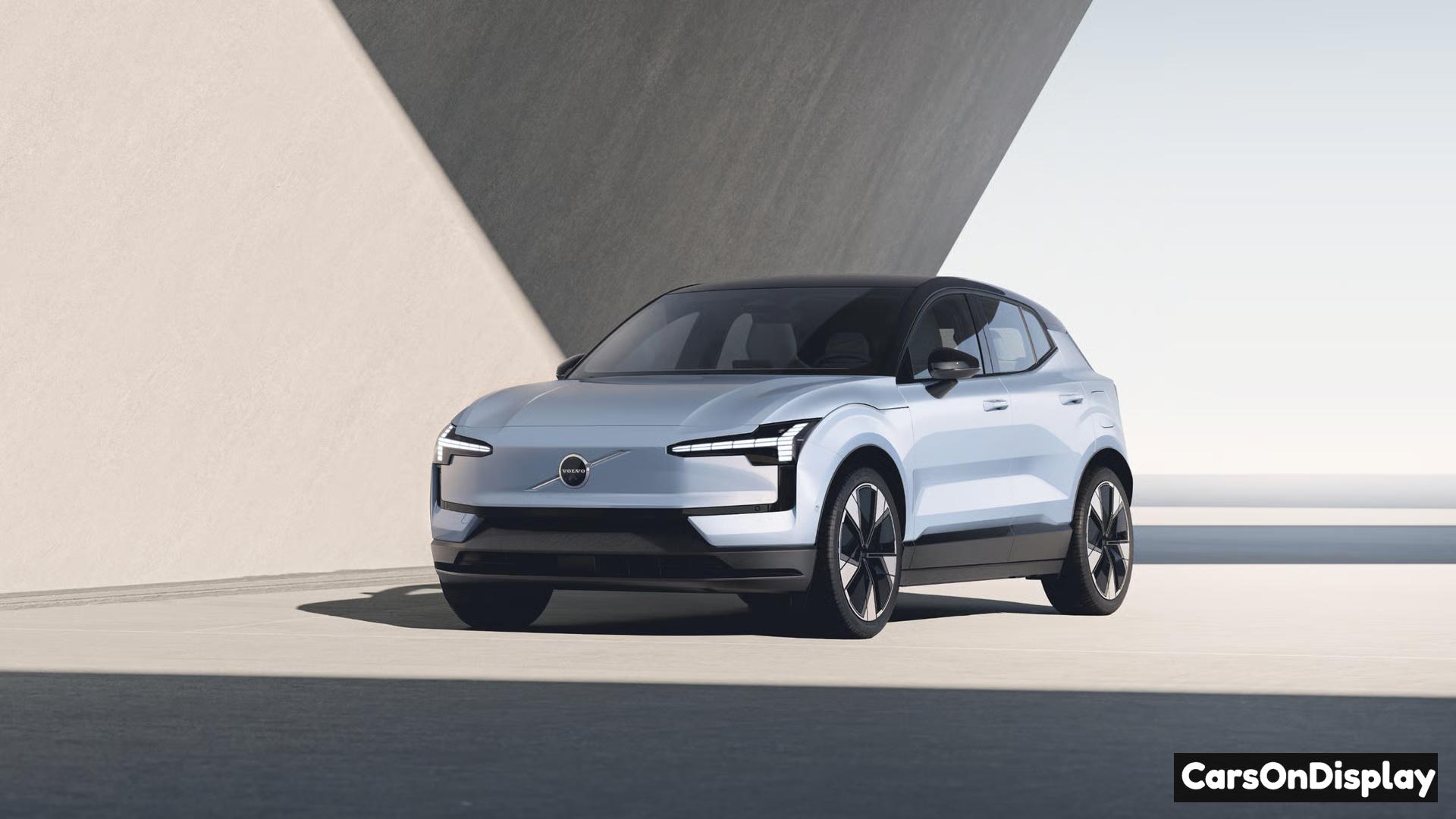
The Volvo EX30 redefines what a premium small electric car can be. Built with sustainability in mind, it integrates recycled materials and advanced battery chemistry while delivering strong performance. Its dual-motor variant offers impressive acceleration, while single-motor versions focus on efficiency. Volvo’s software-driven approach enhances safety and energy optimization. Despite being slightly larger than traditional hatchbacks, its compact SUV footprint still fits within the small EV category for 2026.
Key specifications for Volvo EX30
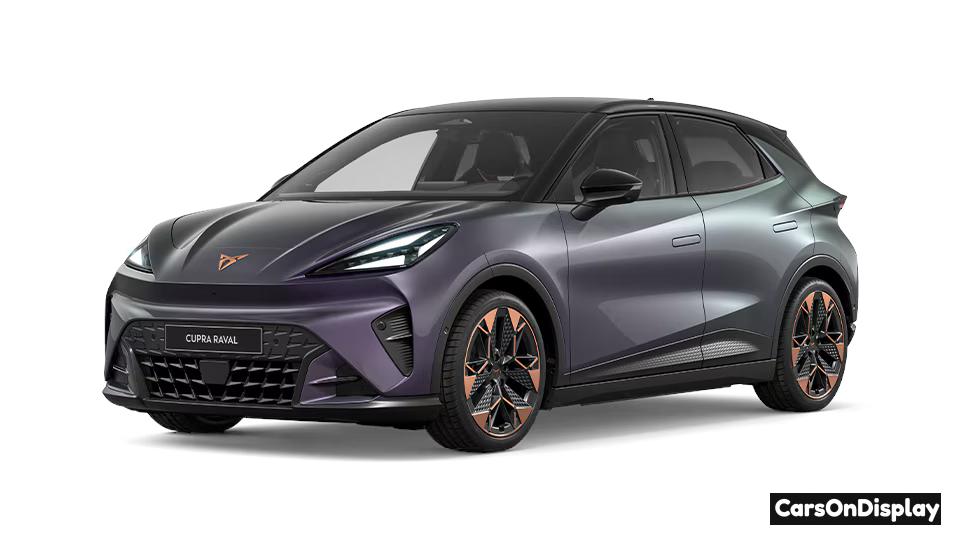
The Cupra Raval brings performance-driven character to the small electric car segment. Built on Volkswagen Group’s MEB Small platform, it emphasizes driving dynamics alongside efficiency. With higher power output than most competitors, it appeals to enthusiasts who want more than just urban mobility. Its sharp design, responsive steering, and improved battery cooling system make it one of the most engaging compact EVs of 2026, without sacrificing practical range or charging capability.
Key specifications for Cupra Raval
The small electric cars of 2026 show how quickly the segment is maturing. What used to be limited by range and charging speed is now defined by efficiency, smarter battery chemistry, and real-world usability.
From the balanced Renault 5 E-Tech to the performance-focused Cupra Raval, buyers now have options that suit different lifestyles whether it’s urban commuting, premium comfort, or driving engagement. As EV price parity continues to improve, these compact models will likely dominate global urban mobility.
From retro-inspired hatchbacks to premium compact SUVs, this year’s small EV lineup delivers strong regenerative braking performance, smarter packaging, and practical range figures between 250–450 km, ideal for daily commuting and urban mobility.
Top 5 Small Electric Cars of 2026
| Model | Segment | Range (km) |
|---|---|---|
| Renault 5 E-Tech | Hatchback | ~400 km |
| Hyundai Inster | Micro SUV | ~370 km |
| Fiat 500e | City hatchback | ~300 km |
| Volvo EX30 | Compact SUV | ~480 km |
| Cupra Raval | Sport hatchback | ~450 km |
Renault 5 E-Tech
The Renault 5 E-Tech represents the strongest return of a legacy nameplate into the EV era. Built on Renault’s AmpR Small platform, it balances affordability with advanced battery management systems and strong regenerative braking performance. Its compact footprint makes it ideal for urban mobility, while its refined ride quality and efficient drivetrain deliver impressive kilowatt-hour efficiency. This model sets a new benchmark for small electric cars in 2026 by combining character, practicality, and cost control.
Key specifications for Renault 5 E-Tech
| Battery Capacity | 40 kWh / 52 kWh |
| Est. Range | 400 km |
| Charging Speed (10–80%) | ~30 minutes |
| Spec Link | Renault 5 E-Tech |
Hyundai Inster
The Hyundai Inster pushes the boundaries of what a budget EV can offer in 2026. Designed with urban mobility in mind, it uses a highly efficient LFP battery option to improve longevity and reduce ownership costs. Despite its compact size, the cabin feels surprisingly spacious, thanks to clever packaging. Hyundai has prioritized fast charging and digital connectivity, making the Inster a practical choice for city dwellers seeking EV price parity without sacrificing modern features.
Key specifications for Hyundai Inster
| Battery Capacity | 42 kWh / 49 kWh |
| Est. Range | 300–370 km |
| Charging Speed (10–80%) | ~30 minutes |
| Spec Link | Hyundai Inster |
Fiat 500e
The Fiat 500e remains one of the most recognizable small electric cars, but in 2026 it stands out for its refined efficiency and city-first engineering. Its lightweight structure and optimized regenerative braking system maximize range in stop-and-go traffic. While not designed for long-distance travel, it excels in dense urban environments where maneuverability and parking ease matter most. Fiat has also improved software responsiveness and energy management, making it one of the most efficient compact EVs per kilowatt-hour.
Key specifications for Fiat 500e
| Battery Capacity | 24 kWh / 42 kWh |
| Est. Range | 300 km |
| Charging Speed (10–80%) | ~35 minutes |
| Spec Link | Fiat 500e |
Volvo EX30
The Volvo EX30 redefines what a premium small electric car can be. Built with sustainability in mind, it integrates recycled materials and advanced battery chemistry while delivering strong performance. Its dual-motor variant offers impressive acceleration, while single-motor versions focus on efficiency. Volvo’s software-driven approach enhances safety and energy optimization. Despite being slightly larger than traditional hatchbacks, its compact SUV footprint still fits within the small EV category for 2026.
Key specifications for Volvo EX30
| Battery Capacity | 49 kWh / 69 kWh |
| Est. Range | 340–480 km |
| Charging Speed (10–80%) | ~28 minutes |
| Spec Link | Volvo EX30 |
Cupra Raval
The Cupra Raval brings performance-driven character to the small electric car segment. Built on Volkswagen Group’s MEB Small platform, it emphasizes driving dynamics alongside efficiency. With higher power output than most competitors, it appeals to enthusiasts who want more than just urban mobility. Its sharp design, responsive steering, and improved battery cooling system make it one of the most engaging compact EVs of 2026, without sacrificing practical range or charging capability.
Key specifications for Cupra Raval
| Battery Capacity | 51.5 kWh / 55 kWh |
| Est. Range | ~450 km |
| Charging Speed (10–80%) | ~24 minutes |
| Spec Link | Cupra Raval |
Where Small EVs Are Headed in 2026
The small electric cars of 2026 show how quickly the segment is maturing. What used to be limited by range and charging speed is now defined by efficiency, smarter battery chemistry, and real-world usability.
From the balanced Renault 5 E-Tech to the performance-focused Cupra Raval, buyers now have options that suit different lifestyles whether it’s urban commuting, premium comfort, or driving engagement. As EV price parity continues to improve, these compact models will likely dominate global urban mobility.


 10 Most Powerful Chinese EVs in the World 2026
 Why Body-on-Frame Off-Roaders Are Making a Comeback in 2026
 How to Check a Used EV's Battery Health Before Buying
 Top 5 Fastest Pickup Trucks in the World (2026)
 Best Extended Car Warranty Companies of 2026: Top 10 Ranked
 Top 10 Fastest Sedans in the World - 2026 List
 Top 10 Best Electric SUVs in the World 2026
 Best Used Electric Cars Under $20,000 in 2026