Half the price of a new EV. Real range. Real reliability
Here is something most car buyers do not realize: the cheapest new EV you can buy in the US right now starts at just under $30,000. That is the brand new 2027 Chevy Bolt at $28,995. The new Nissan Leaf starts at $29,990. Everything else is more expensive.
So when someone tells you a used EV is "great value at $27,000," that argument starts falling apart fast. Why buy a used car from 2022 for $27K when a brand new one costs almost the same?
This is exactly why the under $20,000 used EV sweet spot makes sense in 2026. You are paying roughly half the price of a new EV, getting 200-plus miles of real-world range, spending almost nothing on fuel and maintenance, and still driving something far newer and more capable than a $20,000 used gas car.
The used EV market has matured. Prices have dropped hard since their 2022 peak. Batteries have proven they hold up better than the skeptics predicted. And there are now enough options under $20K that you have real choices, not just leftovers.
Here is what is actually worth buying.
Before jumping to the list, be honest with yourself about your situation.
This makes sense if:
• You drive 20 to 60 miles per day and can charge at home overnight or at work
• You have a second car in the household for long road trips
• You want to cut fuel and maintenance costs significantly
This is the wrong choice if:
• You live in an apartment with no reliable access to charging
• You regularly drive 200-plus miles in a single day
• You want to avoid doing any homework on battery health before buying
If you fit the first group, read on. These cars are genuinely good daily drivers at these prices.
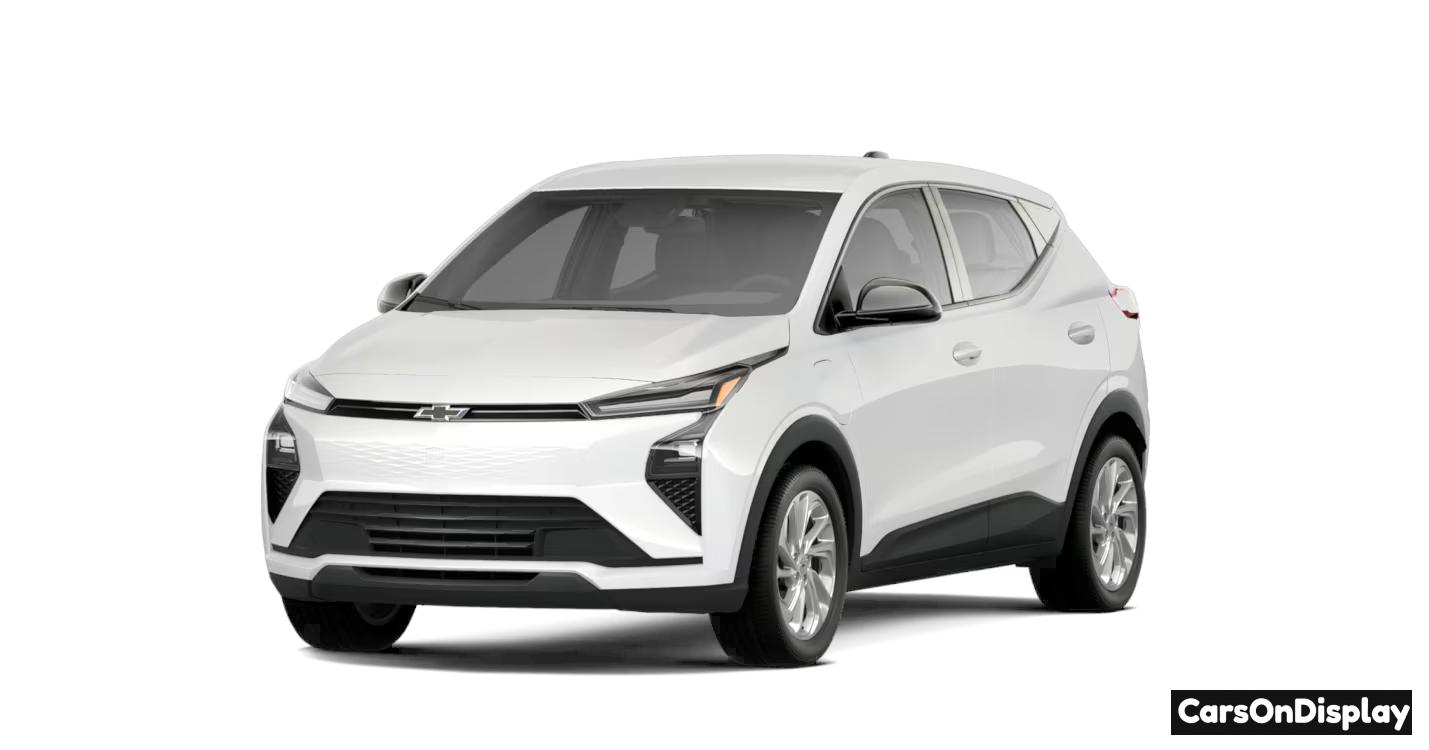
Typical used price: $13,000–$19,000
EPA range: 259 miles
Charging: CCS DC fast charging up to 55 kW
Battery: 65 kWh liquid-cooled
The 2022 and 2023 Chevy Bolt EV is the strongest argument for buying a used EV under $20K. It has 259 miles of EPA-rated range, a properly liquid-cooled battery that degrades more slowly than air-cooled alternatives, a comfortable cabin, and a track record that now spans several years of owner data. A 2022 Bolt with 30,000 to 45,000 miles can be found for around $15,000 to $17,000, and at that price, almost nothing else comes close on range per dollar.
One important step before buying: run the VIN through the NHTSA recall database at nhtsa.gov. Bolt EVs from 2017 to 2022 were subject to a battery recall due to fire risk. The replacement packs from the recall are actually newer than the originals, which is a benefit for buyers once confirmed. The 2022 and 2023 models were produced after the fix was fully in place, so they are generally cleaner buys. Still, always verify.
The only real weakness here is fast charging speed. The Bolt caps out at 55 kW on DC fast chargers, which is slower than rivals like the Kia Niro EV. For daily home charging this is irrelevant, but on road trips it means longer stops.
Best for: Commuters who charge at home. Buyers who want maximum range per dollar spent.
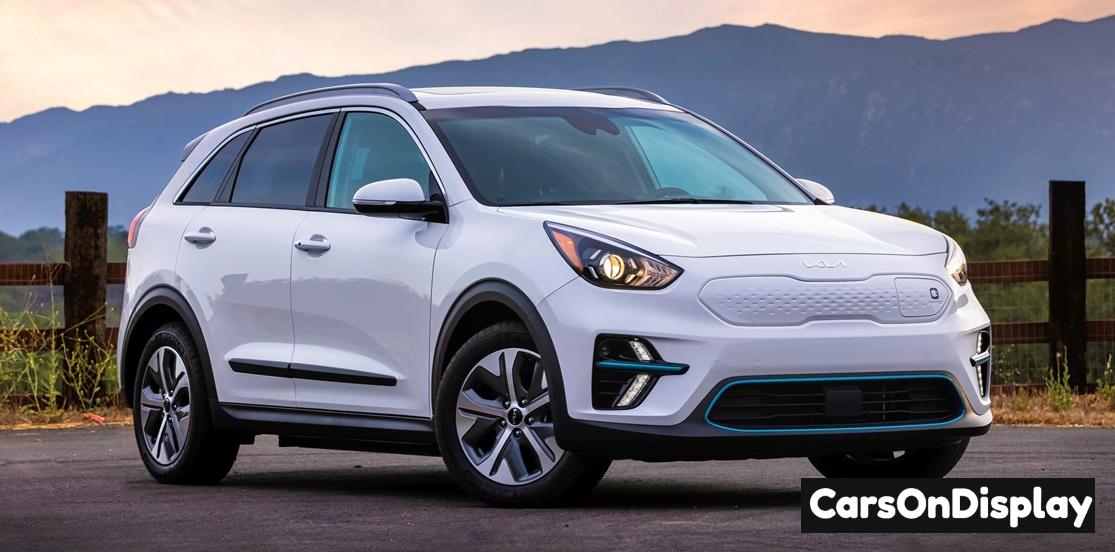
Typical used price: $17,000–$21,000
EPA range: 239–253 miles
Charging: CCS DC fast charging up to 85 kW
Battery: 64.8 kWh liquid-cooled
The Niro EV is a proper compact crossover, not a hatchback, which matters for buyers who want a higher seating position and more cargo room. It has a faster DC fast charging speed than the Bolt, a well-equipped interior on higher trims, and strong long-term reliability data from Hyundai/Kia's shared EV platform.
Used 2021 and 2022 examples with moderate mileage are starting to touch the $17,000 to $19,000 range. The 2023 model sits slightly higher at $19,000 to $21,000 depending on trim and mileage. If you can find a clean Wind or Wave trim 2022 for under $20K, that is a very solid buy.
Kia's powertrain warranty is 10 years and 100,000 miles, and on certified pre-owned examples this often transfers to the new owner. Always confirm this with the dealer before signing.
Best for: Buyers who want a crossover body style rather than a hatchback, and who do occasional longer drives.
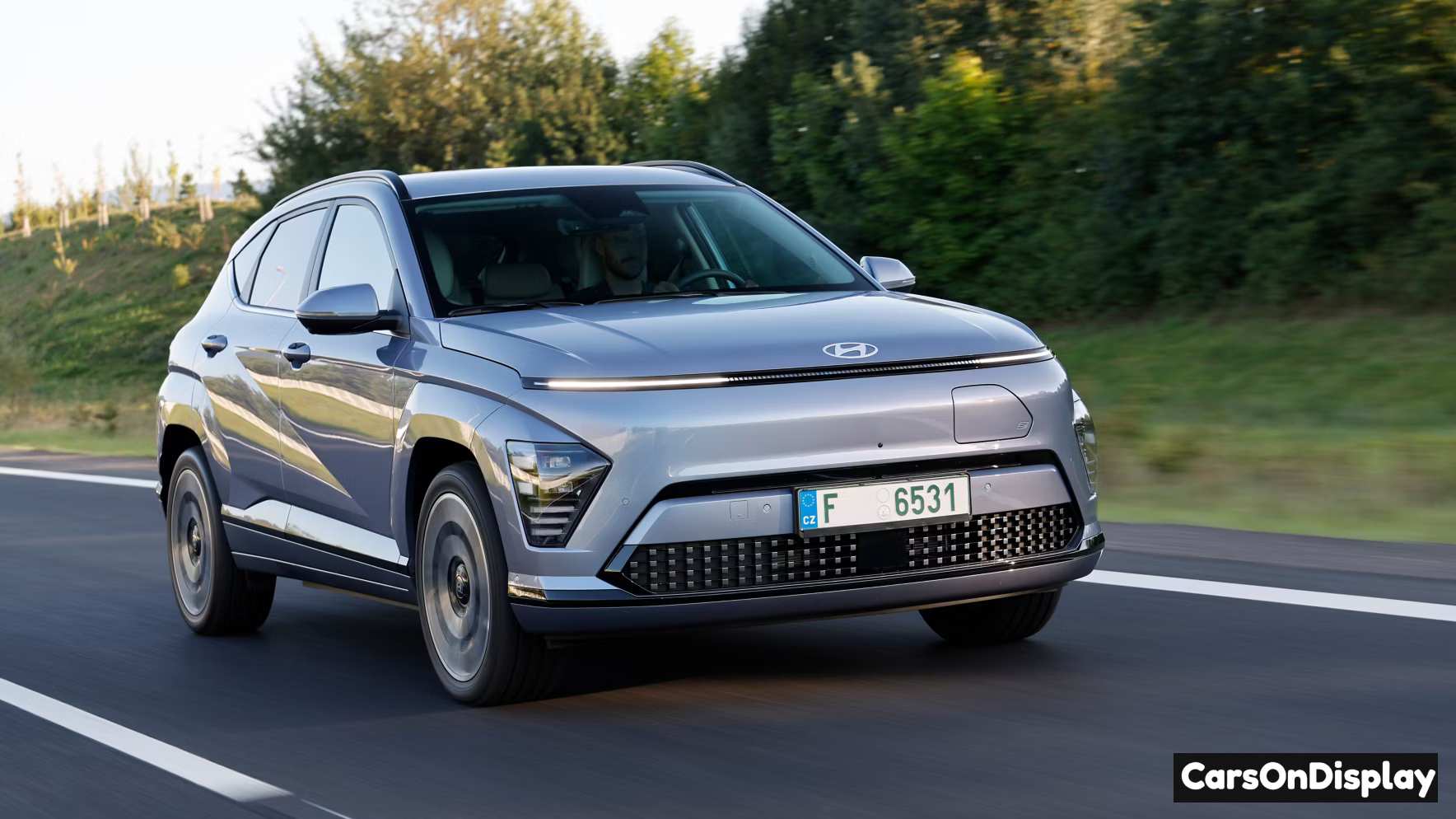
Typical used price: $15,000–$19,000
EPA range: 258 miles
Charging: CCS DC fast charging up to 77 kW
Battery: 64 kWh liquid-cooled
The Kona Electric shares its core EV hardware with the Niro EV and delivers almost identical real-world range. It is a subcompact SUV rather than a compact, so it is smaller and lighter, which actually helps it feel more nimble in city driving. Fuel efficiency is impressive at around 120 MPGe combined.
Used 2022 Kona Electric models in good condition are sitting between $15,000 and $17,500, which makes them one of the most affordable ways to get 250-plus miles of range in a clean, modern electric vehicle. Like the Niro, Hyundai's 10-year battery warranty can transfer to used buyers through the certified pre-owned program.
One thing to note: the older pre-2021 Kona Electric used air cooling, not liquid cooling. Stick to 2021 and newer for better long-term battery health.
Best for: Urban drivers who want EV efficiency in a compact SUV shape.
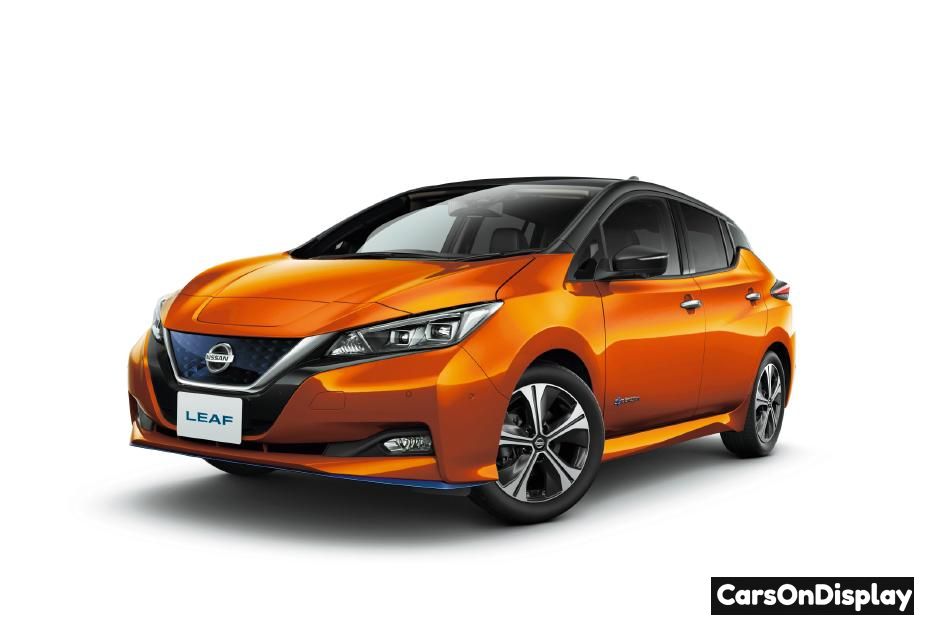
Typical used price: $13,000–$18,000
EPA range: 212 miles (Plus model)
Charging: CHAdeMO fast charging up to 50 kW
Battery: 62 kWh
The Leaf Plus is the most affordable path into a used EV with a genuinely usable range, and Nissan's reliability record on the Leaf platform is well established at this point. For buyers who primarily drive around town and never plan to road trip in it, the Leaf Plus does the job well at a price that is hard to beat.
Two honest caveats. First, the Leaf uses air cooling on the battery rather than liquid cooling. In hot climates like Texas, Arizona, or Nevada, this can lead to faster battery degradation over years of use. In mild or cooler climates, this matters less. Second, the CHAdeMO fast charging standard is becoming increasingly rare at public charging stations across the US, which are largely transitioning to CCS and NACS. This is not a problem for daily home charging, but it can be inconvenient on road trips.
If you mainly drive under 100 miles daily and charge at home, the Leaf Plus at $14,000 to $17,000 is hard to argue with on pure cost grounds.
Best for: City and suburban commuters in mild climates who charge at home every night.
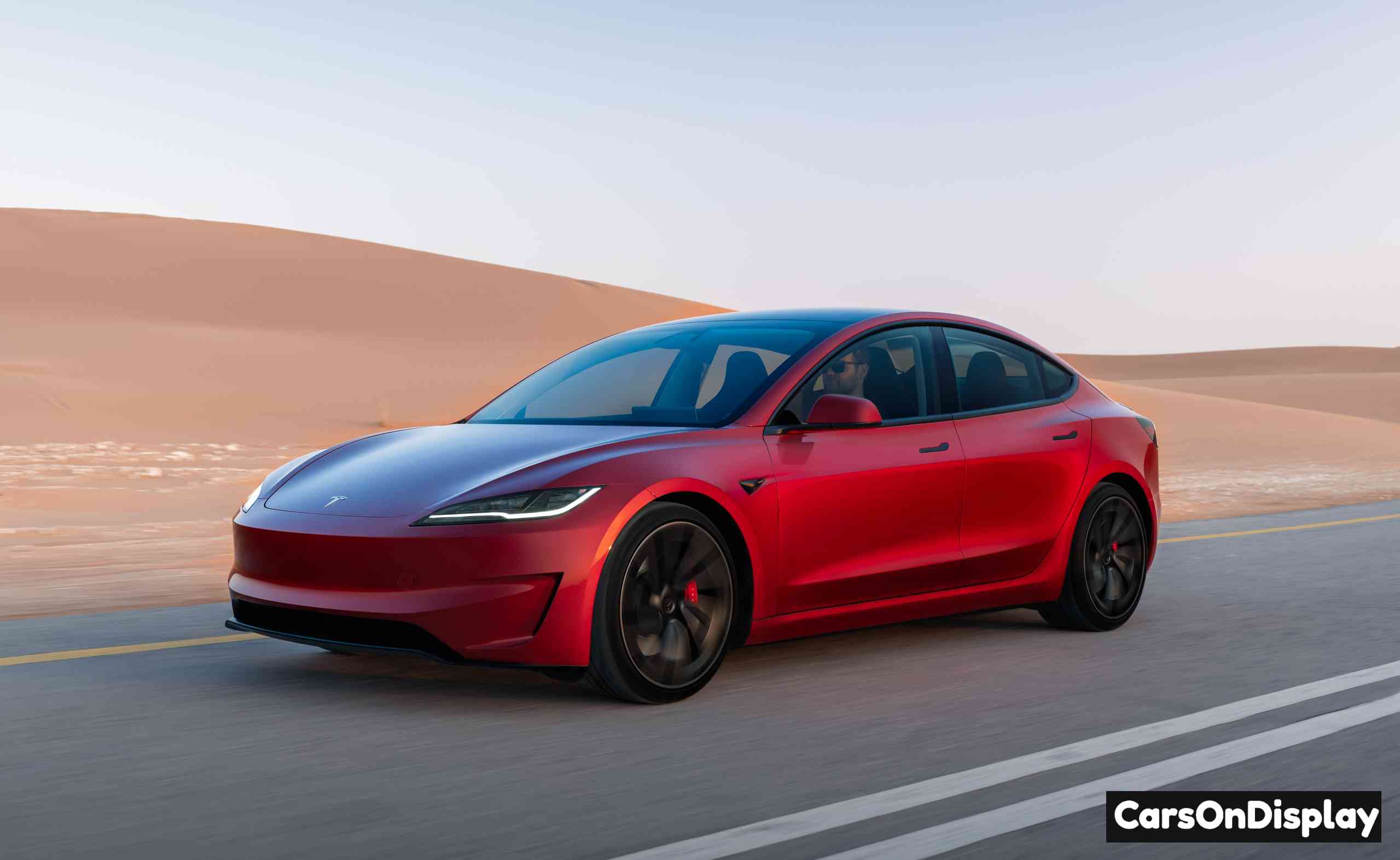
Typical used price: $16,000–$21,000 for higher mileage examples
EPA range: 220–263 miles depending on year
Charging: Tesla Supercharger network, the largest in the US, plus NACS widely supported
Battery: 50–62 kWh
Finding a Tesla Model 3 under $20,000 requires patience, but it is possible in 2026. Older 2018 to 2020 Standard Range models with 80,000 to 120,000 miles are increasingly hitting that price range. At that mileage, you need to check battery health carefully, and the original factory bumper-to-bumper warranty will be long expired.
What you get in return is access to Tesla's Supercharger network, which remains the most reliable and widespread fast charging infrastructure in the US. That matters if you want the option to occasionally take longer drives without range anxiety.
If you go this route, pay for a third-party pre-purchase inspection and request a battery health check before committing. Tesla's own app shows State of Health data, and services like Recurrent Auto provide independent battery reports for Tesla models.
Best for: Buyers who want the Tesla name and Supercharger access, are patient shoppers, and are comfortable doing thorough pre-buy checks.
*Prices based on typical US used market listings as of mid-2026. Actual prices vary by location, mileage, trim, and condition.*
You do not need to be a mechanic. Run through this list before you put any money down.
1. Get a battery health report. Services like Recurrent Auto provide free reports for most EV models showing real-world range retention and battery state of health. A healthy battery should retain at least 85 to 90% of its original capacity.
2. Check for open recalls. Go to nhtsa.gov, enter the VIN, and confirm all recalls are resolved. This is critical for any Bolt EV from 2017 to 2022.
3. Ask about charging history. A car that was fast-charged daily for three years degrades faster than one primarily charged at home overnight. If the seller has access to trip or charging history, ask to see it.
4. Inspect the service record. A one-owner car with dealer service history is almost always a safer buy than a private sale with no documentation.
5. Check your state incentives. The federal used EV credit expired in September 2025, but several states still offer their own programs. California, Colorado, Washington, New York, and others have active rebates worth $1,000 to $4,000 for used EV purchases. Check your state's DMV or energy office website for current eligibility.
Yes, for the right buyer.
The math is compelling. Electricity costs roughly 3 to 4 cents per mile to drive compared to 10 to 14 cents per mile for a comparable gas car. There are no oil changes, no transmission fluid, no spark plugs, and far fewer brake replacements thanks to regenerative braking. A used Bolt at $16,000 can easily save its owner $2,000 to $3,000 per year in running costs compared to a similarly priced gas car.
The risks are manageable when you do basic due diligence. Battery degradation on liquid-cooled EVs has proven slower than early predictions. Most mainstream models from 2021 onwards retain over 85% battery capacity well past 100,000 miles.
The one thing to respect is charging access. If you cannot reliably charge at home or at work, the convenience case weakens significantly. Public charging has improved, but it still takes more planning than a five-minute petrol stop. Know your charging situation before you buy.
Buy the right car with a healthy battery and a clean history, and a used EV under $20,000 in 2026 is one of the most sensible transport decisions you can make.
So when someone tells you a used EV is "great value at $27,000," that argument starts falling apart fast. Why buy a used car from 2022 for $27K when a brand new one costs almost the same?
This is exactly why the under $20,000 used EV sweet spot makes sense in 2026. You are paying roughly half the price of a new EV, getting 200-plus miles of real-world range, spending almost nothing on fuel and maintenance, and still driving something far newer and more capable than a $20,000 used gas car.
The used EV market has matured. Prices have dropped hard since their 2022 peak. Batteries have proven they hold up better than the skeptics predicted. And there are now enough options under $20K that you have real choices, not just leftovers.
Here is what is actually worth buying.
Who This Price Point Works For
Before jumping to the list, be honest with yourself about your situation.
This makes sense if:
• You drive 20 to 60 miles per day and can charge at home overnight or at work
• You have a second car in the household for long road trips
• You want to cut fuel and maintenance costs significantly
This is the wrong choice if:
• You live in an apartment with no reliable access to charging
• You regularly drive 200-plus miles in a single day
• You want to avoid doing any homework on battery health before buying
If you fit the first group, read on. These cars are genuinely good daily drivers at these prices.
The 5 Best Used EVs Under $20,000 in 2026
1. Chevrolet Bolt EV (2022–2023): Best Overall Value
Typical used price: $13,000–$19,000
EPA range: 259 miles
Charging: CCS DC fast charging up to 55 kW
Battery: 65 kWh liquid-cooled
The 2022 and 2023 Chevy Bolt EV is the strongest argument for buying a used EV under $20K. It has 259 miles of EPA-rated range, a properly liquid-cooled battery that degrades more slowly than air-cooled alternatives, a comfortable cabin, and a track record that now spans several years of owner data. A 2022 Bolt with 30,000 to 45,000 miles can be found for around $15,000 to $17,000, and at that price, almost nothing else comes close on range per dollar.
One important step before buying: run the VIN through the NHTSA recall database at nhtsa.gov. Bolt EVs from 2017 to 2022 were subject to a battery recall due to fire risk. The replacement packs from the recall are actually newer than the originals, which is a benefit for buyers once confirmed. The 2022 and 2023 models were produced after the fix was fully in place, so they are generally cleaner buys. Still, always verify.
The only real weakness here is fast charging speed. The Bolt caps out at 55 kW on DC fast chargers, which is slower than rivals like the Kia Niro EV. For daily home charging this is irrelevant, but on road trips it means longer stops.
Best for: Commuters who charge at home. Buyers who want maximum range per dollar spent.
2. Kia Niro EV (2021–2023): Best All-Round Package
Typical used price: $17,000–$21,000
EPA range: 239–253 miles
Charging: CCS DC fast charging up to 85 kW
Battery: 64.8 kWh liquid-cooled
The Niro EV is a proper compact crossover, not a hatchback, which matters for buyers who want a higher seating position and more cargo room. It has a faster DC fast charging speed than the Bolt, a well-equipped interior on higher trims, and strong long-term reliability data from Hyundai/Kia's shared EV platform.
Used 2021 and 2022 examples with moderate mileage are starting to touch the $17,000 to $19,000 range. The 2023 model sits slightly higher at $19,000 to $21,000 depending on trim and mileage. If you can find a clean Wind or Wave trim 2022 for under $20K, that is a very solid buy.
Kia's powertrain warranty is 10 years and 100,000 miles, and on certified pre-owned examples this often transfers to the new owner. Always confirm this with the dealer before signing.
Best for: Buyers who want a crossover body style rather than a hatchback, and who do occasional longer drives.
3. Hyundai Kona Electric (2021–2023): Best for Efficiency
Typical used price: $15,000–$19,000
EPA range: 258 miles
Charging: CCS DC fast charging up to 77 kW
Battery: 64 kWh liquid-cooled
The Kona Electric shares its core EV hardware with the Niro EV and delivers almost identical real-world range. It is a subcompact SUV rather than a compact, so it is smaller and lighter, which actually helps it feel more nimble in city driving. Fuel efficiency is impressive at around 120 MPGe combined.
Used 2022 Kona Electric models in good condition are sitting between $15,000 and $17,500, which makes them one of the most affordable ways to get 250-plus miles of range in a clean, modern electric vehicle. Like the Niro, Hyundai's 10-year battery warranty can transfer to used buyers through the certified pre-owned program.
One thing to note: the older pre-2021 Kona Electric used air cooling, not liquid cooling. Stick to 2021 and newer for better long-term battery health.
Best for: Urban drivers who want EV efficiency in a compact SUV shape.
4. Nissan Leaf Plus (2021–2023): Best Budget Entry Point
Typical used price: $13,000–$18,000
EPA range: 212 miles (Plus model)
Charging: CHAdeMO fast charging up to 50 kW
Battery: 62 kWh
The Leaf Plus is the most affordable path into a used EV with a genuinely usable range, and Nissan's reliability record on the Leaf platform is well established at this point. For buyers who primarily drive around town and never plan to road trip in it, the Leaf Plus does the job well at a price that is hard to beat.
Two honest caveats. First, the Leaf uses air cooling on the battery rather than liquid cooling. In hot climates like Texas, Arizona, or Nevada, this can lead to faster battery degradation over years of use. In mild or cooler climates, this matters less. Second, the CHAdeMO fast charging standard is becoming increasingly rare at public charging stations across the US, which are largely transitioning to CCS and NACS. This is not a problem for daily home charging, but it can be inconvenient on road trips.
If you mainly drive under 100 miles daily and charge at home, the Leaf Plus at $14,000 to $17,000 is hard to argue with on pure cost grounds.
Best for: City and suburban commuters in mild climates who charge at home every night.
5. Tesla Model 3 Standard Range (2019–2021, High Mileage): Best Brand Cachet on a Budget
Typical used price: $16,000–$21,000 for higher mileage examples
EPA range: 220–263 miles depending on year
Charging: Tesla Supercharger network, the largest in the US, plus NACS widely supported
Battery: 50–62 kWh
Finding a Tesla Model 3 under $20,000 requires patience, but it is possible in 2026. Older 2018 to 2020 Standard Range models with 80,000 to 120,000 miles are increasingly hitting that price range. At that mileage, you need to check battery health carefully, and the original factory bumper-to-bumper warranty will be long expired.
What you get in return is access to Tesla's Supercharger network, which remains the most reliable and widespread fast charging infrastructure in the US. That matters if you want the option to occasionally take longer drives without range anxiety.
If you go this route, pay for a third-party pre-purchase inspection and request a battery health check before committing. Tesla's own app shows State of Health data, and services like Recurrent Auto provide independent battery reports for Tesla models.
Best for: Buyers who want the Tesla name and Supercharger access, are patient shoppers, and are comfortable doing thorough pre-buy checks.
Quick Comparison: Under $20K Used EVs at a Glance
| Model | Model Year | Used Price | EPA Range | Fast Charging | Best For |
|---|---|---|---|---|---|
| Chevy Bolt EV | 2022–2023 | $13K–$19K | 259 mi | 55 kW CCS | Best range per dollar |
| Kia Niro EV | 2021–2023 | $17K–$21K | 239–253 mi | 85 kW CCS | Crossover buyers |
| Hyundai Kona EV | 2021–2023 | $15K–$19K | 258 mi | 77 kW CCS | City efficiency |
| Nissan Leaf Plus | 2021–2023 | $13K–$18K | 212 mi | 50 kW CHAdeMO | Budget commuters |
| Tesla Model 3 | 2019–2021 | $16K–$21K | 220–263 mi | 250 kW NACS | Supercharger access |
*Prices based on typical US used market listings as of mid-2026. Actual prices vary by location, mileage, trim, and condition.*
5 Checks Every Used EV Buyer Should Run
You do not need to be a mechanic. Run through this list before you put any money down.
1. Get a battery health report. Services like Recurrent Auto provide free reports for most EV models showing real-world range retention and battery state of health. A healthy battery should retain at least 85 to 90% of its original capacity.
2. Check for open recalls. Go to nhtsa.gov, enter the VIN, and confirm all recalls are resolved. This is critical for any Bolt EV from 2017 to 2022.
3. Ask about charging history. A car that was fast-charged daily for three years degrades faster than one primarily charged at home overnight. If the seller has access to trip or charging history, ask to see it.
4. Inspect the service record. A one-owner car with dealer service history is almost always a safer buy than a private sale with no documentation.
5. Check your state incentives. The federal used EV credit expired in September 2025, but several states still offer their own programs. California, Colorado, Washington, New York, and others have active rebates worth $1,000 to $4,000 for used EV purchases. Check your state's DMV or energy office website for current eligibility.
Is a Used EV Under $20,000 Actually Worth It in 2026?
Yes, for the right buyer.
The math is compelling. Electricity costs roughly 3 to 4 cents per mile to drive compared to 10 to 14 cents per mile for a comparable gas car. There are no oil changes, no transmission fluid, no spark plugs, and far fewer brake replacements thanks to regenerative braking. A used Bolt at $16,000 can easily save its owner $2,000 to $3,000 per year in running costs compared to a similarly priced gas car.
The risks are manageable when you do basic due diligence. Battery degradation on liquid-cooled EVs has proven slower than early predictions. Most mainstream models from 2021 onwards retain over 85% battery capacity well past 100,000 miles.
The one thing to respect is charging access. If you cannot reliably charge at home or at work, the convenience case weakens significantly. Public charging has improved, but it still takes more planning than a five-minute petrol stop. Know your charging situation before you buy.
Buy the right car with a healthy battery and a clean history, and a used EV under $20,000 in 2026 is one of the most sensible transport decisions you can make.









 Top 10 Most Expensive Cars in the World (2026)
 10 Most Powerful Chinese EVs in the World 2026
 Why Body-on-Frame Off-Roaders Are Making a Comeback in 2026
 How to Check a Used EV's Battery Health Before Buying
 Top 5 Fastest Pickup Trucks in the World (2026)
 Best Extended Car Warranty Companies of 2026: Top 10 Ranked
 Top 10 Fastest Sedans in the World - 2026 List
 Top 10 Best Electric SUVs in the World 2026