True 4x4 SUVs Are Back, and Buyers Are Choosing Them Over Crossovers
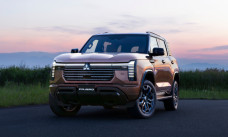
For most of the 2010s, the SUV market moved in one direction: toward softer, car-based crossovers built for comfort, fuel economy, and city driving rather than trail capability. That direction has reversed. Body-on-frame off-roaders, the true trucks-in-disguise that most manufacturers had quietly phased out, are back in showrooms and back in demand. The Ford Bronco, Land Rover Defender, Jeep Wagoneer, and Toyota Land Cruiser have all returned since 2020, and Mitsubishi's newly revived Pajero shows the body-on-frame SUV comeback still has real momentum heading into 2027. Here's why body-on-frame off-roaders are making a comeback in 2026, and why buyers are choosing rugged 4x4 SUVs over crossovers again.
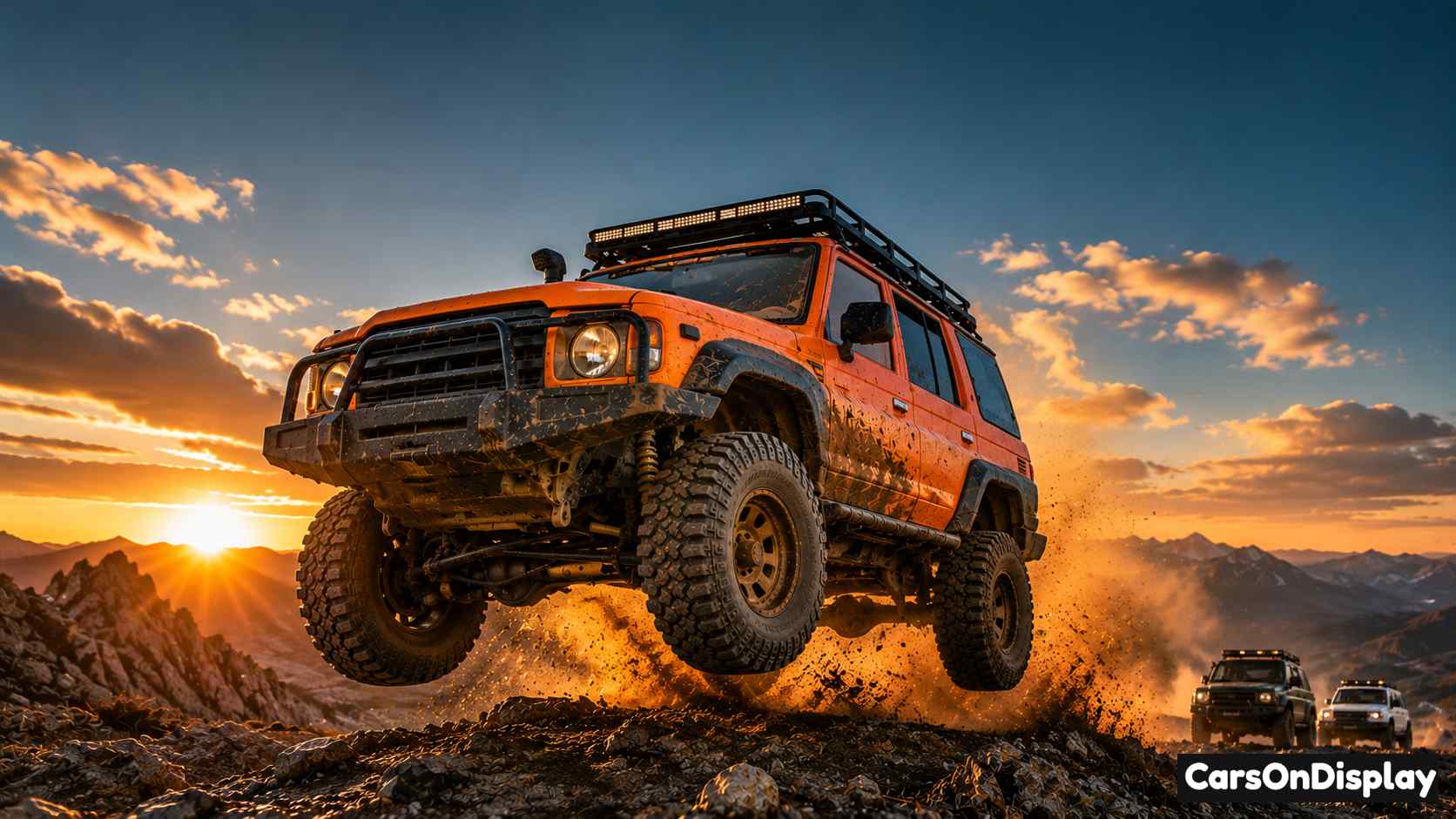
Interest in off-roading and overlanding surged during and after the pandemic, as more people discovered outdoor recreation as a way to escape lockdowns and crowded destinations. That shift didn't fade once travel restrictions lifted. Four-wheeling, overlanding, and van-life-style road tripping have continued growing in popularity, and automakers have responded by building vehicles that can genuinely back up that lifestyle, rather than just look the part. A crossover with all-wheel drive can handle a gravel road, but it can't replace a solid axle and a low-range transfer case when the terrain gets serious. This is one of the core reasons off-road SUVs are popular again heading into 2026.
Reviving a legendary nameplate comes with an audience already attached to it. The Ford Bronco's return leaned directly on nostalgia for its 1960s-70s original, and it became one of the most successful nameplate relaunches in recent memory almost immediately. The same pattern played out with the Land Rover Defender, the Jeep Wagoneer, and now the 2027 Mitsubishi Pajero, a nameplate with more than 3.25 million units sold worldwide and 12 Dakar Rally wins across its history. Automakers get a head start on brand trust and search demand that a brand-new nameplate simply doesn't have, which is a major reason the off-road SUV comeback keeps expanding rather than fading out.
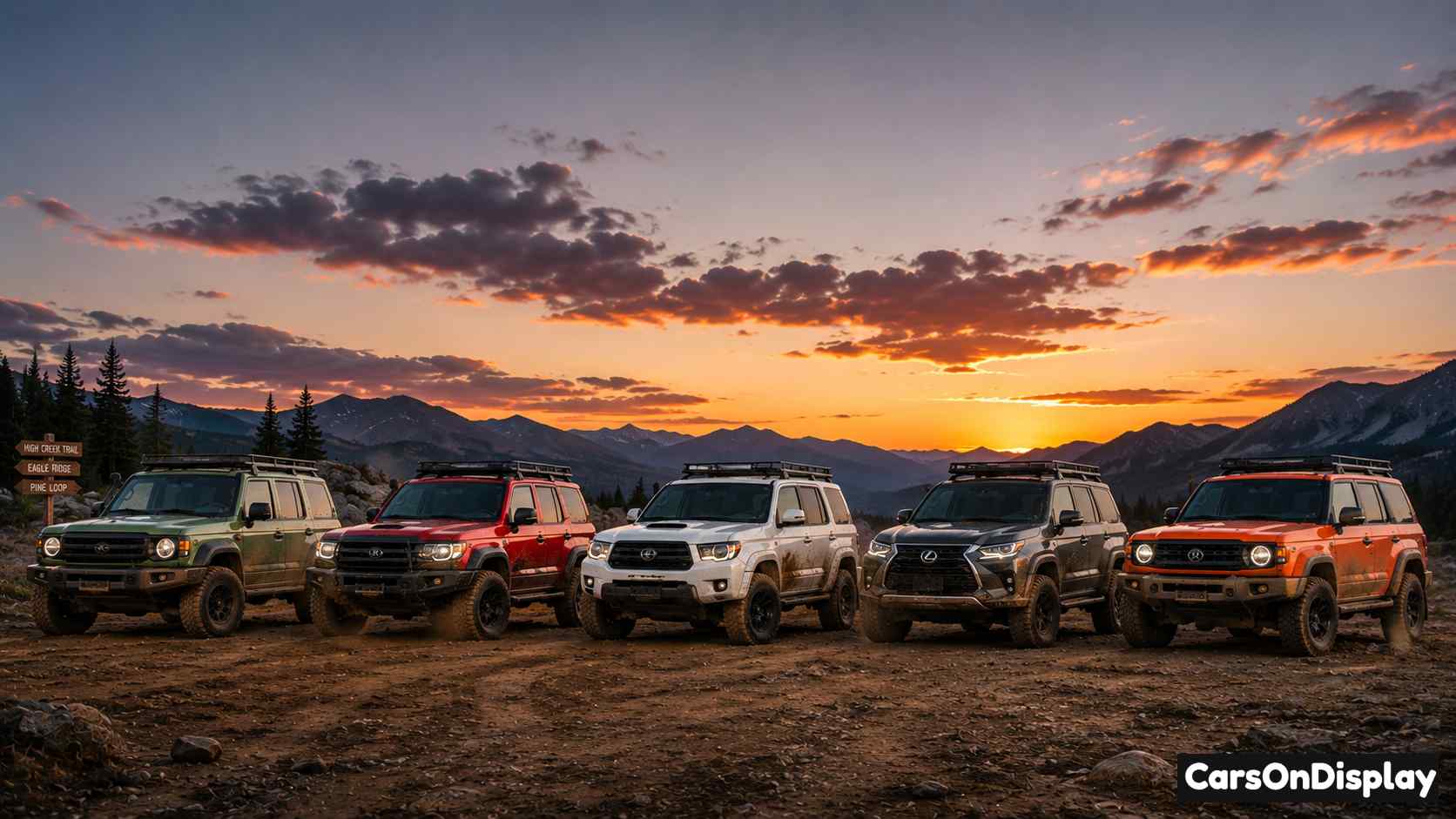
As nearly every mainstream SUV shifted to unibody, car-based platforms for efficiency and ride comfort, a segment of buyers felt left behind. Body-on-frame construction offers genuine towing capacity, durability under repeated off-road abuse, and easier long-term repairability that unibody crossovers generally can't match. Understanding the difference between body-on-frame and unibody SUVs helps explain why this pushback happened: buyers wanted trucks, not just truck-styled crossovers. The renewed availability of true off-roaders gives these buyers an alternative to vehicles that look rugged but were never built to leave pavement behind.
While the Bronco, Wagoneer, and Land Cruiser stories are largely US-driven, the Mitsubishi Pajero's comeback highlights how global this shift really is. The new Pajero launches first in Thailand, Japan, and Australia, with plans to expand to roughly 100 countries by 2027, including markets across ASEAN, Latin America, and the Middle East, regions where body-on-frame durability matters just as much as off-road recreation. It's a reminder that global demand for rugged, dependable 4x4 SUVs never really went away outside North America and Europe.
Automakers have found ways to keep body-on-frame off-roaders relevant despite rising fuel economy and emissions expectations. The reborn Toyota Land Cruiser dropped its V8 for a turbocharged hybrid four-cylinder without giving up its ladder-frame platform, and Mitsubishi has signaled plans to eventually add a hybrid powertrain to the new Pajero alongside its diesel engine. Rather than choosing between off-road capability and efficiency, manufacturers are increasingly building both into the same platform, which should keep the body-on-frame SUV trend viable well beyond 2026.
Body-on-frame off-roaders are making a comeback because they solve a problem crossovers created: buyers who want genuine off-road capability, not just rugged styling. The pandemic-driven outdoor boom, the pull of heritage nameplates, and a global market that never lost its appetite for true 4x4 hardware have all converged at once. With the Mitsubishi Pajero's return proving the trend still has room to grow, it's worth watching which off-road nameplate gets revived next. Which body-on-frame off-roader do you think is leading this comeback? Let us know in the comments below.
Body-on-Frame Off-Roader Comeback: At a Glance
| Model | Return Year | Platform | Key Off-Road Feature |
|---|---|---|---|
| Land Rover Defender | 2020 | Unibody with off-road tuning | Terrain Response, 900mm wading depth |
| Ford Bronco | 2021 | Body-on-frame | Available solid axles, removable doors |
| Jeep Wagoneer | 2022 | Body-on-frame (shared with Ram 1500) | Full-size 3-row, available V8 |
| Toyota Land Cruiser (US) | 2024 | Body-on-frame | Turbo-hybrid four-cylinder, off-road hardware |
| Mitsubishi Pajero | 2026 | Body-on-frame (shared with Triton) | Super Select 4WD-II, 2.4L twin-turbo diesel |
The Overlanding and Outdoor Boom Changed What Buyers Want
Interest in off-roading and overlanding surged during and after the pandemic, as more people discovered outdoor recreation as a way to escape lockdowns and crowded destinations. That shift didn't fade once travel restrictions lifted. Four-wheeling, overlanding, and van-life-style road tripping have continued growing in popularity, and automakers have responded by building vehicles that can genuinely back up that lifestyle, rather than just look the part. A crossover with all-wheel drive can handle a gravel road, but it can't replace a solid axle and a low-range transfer case when the terrain gets serious. This is one of the core reasons off-road SUVs are popular again heading into 2026.
Heritage Nameplates Carry Built-In Demand
Reviving a legendary nameplate comes with an audience already attached to it. The Ford Bronco's return leaned directly on nostalgia for its 1960s-70s original, and it became one of the most successful nameplate relaunches in recent memory almost immediately. The same pattern played out with the Land Rover Defender, the Jeep Wagoneer, and now the 2027 Mitsubishi Pajero, a nameplate with more than 3.25 million units sold worldwide and 12 Dakar Rally wins across its history. Automakers get a head start on brand trust and search demand that a brand-new nameplate simply doesn't have, which is a major reason the off-road SUV comeback keeps expanding rather than fading out.
Buyers Are Pushing Back Against Soft-Roader Crossovers
As nearly every mainstream SUV shifted to unibody, car-based platforms for efficiency and ride comfort, a segment of buyers felt left behind. Body-on-frame construction offers genuine towing capacity, durability under repeated off-road abuse, and easier long-term repairability that unibody crossovers generally can't match. Understanding the difference between body-on-frame and unibody SUVs helps explain why this pushback happened: buyers wanted trucks, not just truck-styled crossovers. The renewed availability of true off-roaders gives these buyers an alternative to vehicles that look rugged but were never built to leave pavement behind.
The Trend Is Global, Not Just American
While the Bronco, Wagoneer, and Land Cruiser stories are largely US-driven, the Mitsubishi Pajero's comeback highlights how global this shift really is. The new Pajero launches first in Thailand, Japan, and Australia, with plans to expand to roughly 100 countries by 2027, including markets across ASEAN, Latin America, and the Middle East, regions where body-on-frame durability matters just as much as off-road recreation. It's a reminder that global demand for rugged, dependable 4x4 SUVs never really went away outside North America and Europe.
Efficiency Concerns Haven't Killed the Trend
Automakers have found ways to keep body-on-frame off-roaders relevant despite rising fuel economy and emissions expectations. The reborn Toyota Land Cruiser dropped its V8 for a turbocharged hybrid four-cylinder without giving up its ladder-frame platform, and Mitsubishi has signaled plans to eventually add a hybrid powertrain to the new Pajero alongside its diesel engine. Rather than choosing between off-road capability and efficiency, manufacturers are increasingly building both into the same platform, which should keep the body-on-frame SUV trend viable well beyond 2026.
Body-on-frame off-roaders are making a comeback because they solve a problem crossovers created: buyers who want genuine off-road capability, not just rugged styling. The pandemic-driven outdoor boom, the pull of heritage nameplates, and a global market that never lost its appetite for true 4x4 hardware have all converged at once. With the Mitsubishi Pajero's return proving the trend still has room to grow, it's worth watching which off-road nameplate gets revived next. Which body-on-frame off-roader do you think is leading this comeback? Let us know in the comments below.
Frequently Asked Questions
| Why are body-on-frame SUVs becoming popular again? |
| Body-on-frame SUVs are becoming popular again due to rising interest in overlanding and off-road recreation, strong demand for heritage nameplates like the Bronco and Defender, and buyer pushback against unibody crossovers that lack genuine off-road capability. |
| What is the difference between body-on-frame and unibody SUVs? |
| Body-on-frame SUVs use a separate steel frame with the body bolted on top, offering greater towing capacity and off-road durability, while unibody SUVs integrate the body and frame into one structure, prioritizing ride comfort and fuel efficiency. |
| Is the Mitsubishi Pajero body-on-frame? |
| Yes, the all-new 2026 Mitsubishi Pajero uses a ladder-frame chassis shared with the Triton pickup, keeping it in the same body-on-frame category as the Ford Bronco, Land Rover Defender, and Toyota Land Cruiser. |
| Which SUVs started the body-on-frame off-road comeback? |
| The current body-on-frame off-road comeback began with the Land Rover Defender's return in 2020, followed by the Ford Bronco in 2021, the Jeep Wagoneer in 2022, and the Toyota Land Cruiser's US return in 2024. |
| Are body-on-frame SUVs more reliable than crossovers? |
| Body-on-frame SUVs are generally considered more durable for off-road use and heavy towing due to their separate frame construction, though modern unibody crossovers typically offer a smoother ride and better on-road fuel efficiency. |



 10 Most Powerful Chinese EVs in the World 2026
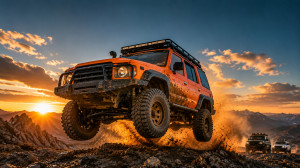 Why Body-on-Frame Off-Roaders Are Making a Comeback in 2026
 How to Check a Used EV's Battery Health Before Buying
 Top 5 Fastest Pickup Trucks in the World (2026)
 Best Extended Car Warranty Companies of 2026: Top 10 Ranked
 Top 10 Fastest Sedans in the World - 2026 List
 Top 10 Best Electric SUVs in the World 2026
 Best Used Electric Cars Under $20,000 in 2026