A Step-by-Step Inspection Guide to Avoid Costly Mistakes
Buying a used car is a great way to save money, but it can also feel like a bit of a gamble. You see a shiny sedan or a rugged SUV at a price that seems too good to pass up, and you wonder: What’s the catch? Without a mechanical engineering degree, it’s easy to feel intimidated when you’re standing in a seller's driveway.
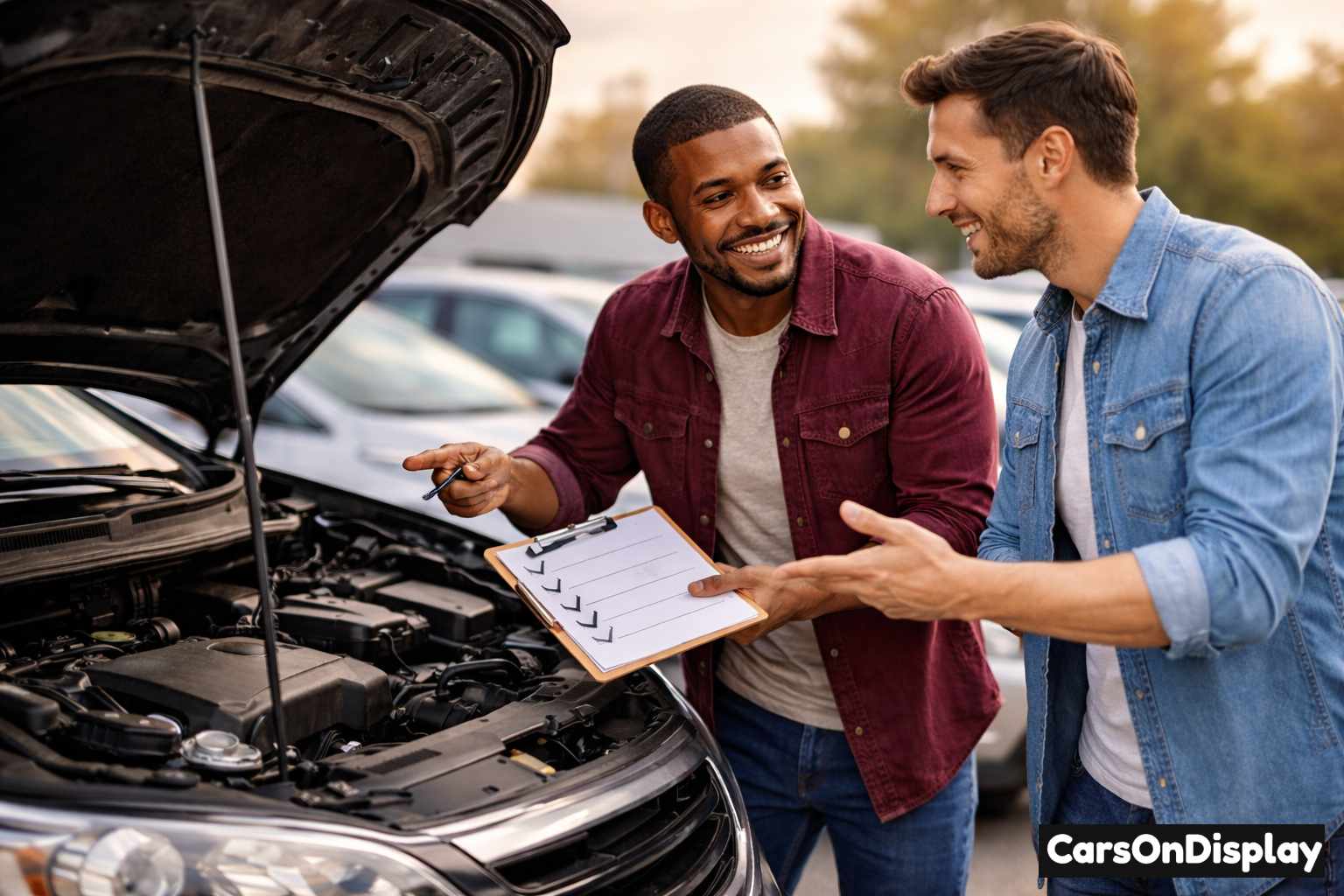
The good news is that you don’t need to be a grease monkey to spot a bad deal. Most "red flags" are hidden in plain sight if you know where to look. This guide will walk you through a simple, beginner-friendly checklist to ensure your next vehicle is a reliable ride rather than a rolling repair bill.
Table of Contents
• Start with the Paperwork (Car History Report)
• Inspecting the Exterior
• Engine and Fluid Checks
• Interior and Electronics
• Test Drive Checklist
• Negotiation and Final Price
• 14 Questions to Ask the Seller
• Trust Your Gut
Before you even pick up a wrench or turn a key, you need to know the car's "biography." Ask the seller for the Vehicle Identification Number (VIN) and run a report through services like Carfax or AutoCheck.
A car history report tells you:
• Title Status: Is it a "salvage" title? If so, the car was likely declared a total loss by an insurance company.
• Accident History: Has it been in a major wreck or a flood?
• Service Records: Did the previous owner stay on top of oil changes and routine maintenance?
If a seller refuses to provide the VIN or the report shows gaps in ownership that don't make sense, it might be time to walk away before you even see the car in person.
When you arrive to see the car, make sure it’s parked on level ground and that you’re viewing it in broad daylight. Rain or low light can hide a multitude of sins, especially paint issues.
Check the Body Panels
Walk around the car and look for inconsistent gaps between doors, fenders, and the trunk. If one gap is wider than the others, the car might have been repaired poorly after an accident. Use a small magnet on the metal panels; if it doesn't stick, there might be body filler (Bondo) underneath a fresh coat of paint.
Inspect the Tires
Tires can tell you a lot about the car's alignment and suspension. If the tread is worn down more on the inside than the outside, the wheels are likely out of alignment. Also, check the brand. A car with four matching, high-quality tires usually suggests an owner who didn't skimp on maintenance.
Look for Rust
Check the wheel wells, door edges, and the undercarriage. A little surface rust on the exhaust is normal, but structural rust on the frame is a massive dealbreaker.
You don't need to be an expert to perform a basic engine bay inspection. Ensure the engine is cool before you start touching things.
• The Oil: Pull the dipstick. The oil should be honey-colored or dark brown. If it looks like a milky chocolate milkshake, there’s likely a blown head gasket—run, don't walk!
• Hoses and Belts: Squeeze the rubber hoses. They should be firm but flexible. If they feel brittle, cracked, or mushy, they’ll need replacing soon.
• Leaks: Look at the ground under the car and around the engine block. Green or orange fluid is usually coolant; black or brown is oil; red is often transmission or power steering fluid.
You're going to spend a lot of time inside this car, so make sure everything works. Smell is your first clue—if it smells like mildew, there’s a water leak somewhere.
• The Dashboard: Turn the key to the "on" position without starting the engine. All the warning lights (Check Engine, Airbag, ABS) should light up and then turn off once the car starts. If a light stays on, that’s a repair cost you need to factor in.
• The Tech: Test the air conditioning (does it get cold fast?), the heater, all power windows, the sunroof, and the infotainment system.
• The Seats: Check for rips or excessive wear. If the odometer says 30,000 miles but the driver’s seat is completely worn out, the mileage might have been tampered with.
This is the most critical part of the process. Never buy a used car without driving it for at least 20 minutes on both local streets and the highway.
Listen to the Startup
The car should start quickly and settle into a smooth idle. If you hear screeching (belts), tapping (valves), or heavy knocking, those are expensive sounds.
Test the Brakes and Steering
On a quiet road, let go of the steering wheel for a second. If the car veers sharply to one side, it has alignment issues. When you brake, the car should stop straight without pulsing or squealing.
Feel the Transmission
If it’s an automatic, the shifts should be smooth and almost unnoticeable. If the car "hesitates" or jerks when shifting gears, the transmission might be on its last legs.
Once you've finished your inspection, it’s time to talk numbers. If you found minor issues—like worn tires or a cracked taillight—use those as leverage to lower the price.
• Know the Market Value: Use sites like Kelly Blue Book (KBB) or Edmunds to see what similar models are selling for in your area.
• Get a PPI: If you’re serious about the car, tell the seller you want a Pre-Purchase Inspection (PPI) from a trusted mechanic. It usually costs about $100–$200, but it can save you thousands. If a seller refuses to let a mechanic look at it, they’re likely hiding something.
To make your life easier, use this checklist before you even leave your house to see the car. These questions will help you decide if the car is worth your time:
• How long have you owned the car?
• Do you have the title in hand, and is it clear and in your name?
• Why are you selling the vehicle?
• Do you have the service records or receipts for maintenance done?
• Are there any dashboard warning lights on, like the Check Engine light?
• Does the car have any current mechanical issues or oil leaks?
• Has the car ever been in an accident or had any major body repairs?
• Are there any major scratches, dents, or interior rips not shown in the photos?
• Does the air conditioning, heater, and all the electronics work properly?
• How old are the tires, and is there plenty of tread left?
• Was the car primarily used for highway driving or city commuting?
• Are you the first owner, or do you know how many people owned it before you?
• Is the price negotiable if I come to see it today?
• Would you be okay with me taking the car to a mechanic for a quick inspection?
Checking a used car is all about being observant and patient. By following this checklist—reviewing the history, inspecting the body, checking the fluids, and doing a thorough test drive—you significantly lower your risk of buying a "money pit."
Remember: There are plenty of cars out there. If something feels "off" or the seller is pressuring you to make a quick decision, don't be afraid to walk away. Your perfect, reliable used car is waiting for you; you just have to find it.
The good news is that you don’t need to be a grease monkey to spot a bad deal. Most "red flags" are hidden in plain sight if you know where to look. This guide will walk you through a simple, beginner-friendly checklist to ensure your next vehicle is a reliable ride rather than a rolling repair bill.
Table of Contents
• Start with the Paperwork (Car History Report)
• Inspecting the Exterior
• Engine and Fluid Checks
• Interior and Electronics
• Test Drive Checklist
• Negotiation and Final Price
• 14 Questions to Ask the Seller
• Trust Your Gut
1. Start with the Paperwork (The Car History Report)
Before you even pick up a wrench or turn a key, you need to know the car's "biography." Ask the seller for the Vehicle Identification Number (VIN) and run a report through services like Carfax or AutoCheck.
A car history report tells you:
• Title Status: Is it a "salvage" title? If so, the car was likely declared a total loss by an insurance company.
• Accident History: Has it been in a major wreck or a flood?
• Service Records: Did the previous owner stay on top of oil changes and routine maintenance?
If a seller refuses to provide the VIN or the report shows gaps in ownership that don't make sense, it might be time to walk away before you even see the car in person.
2. The Walkaround: Inspecting the Exterior
When you arrive to see the car, make sure it’s parked on level ground and that you’re viewing it in broad daylight. Rain or low light can hide a multitude of sins, especially paint issues.
Check the Body Panels
Walk around the car and look for inconsistent gaps between doors, fenders, and the trunk. If one gap is wider than the others, the car might have been repaired poorly after an accident. Use a small magnet on the metal panels; if it doesn't stick, there might be body filler (Bondo) underneath a fresh coat of paint.
Inspect the Tires
Tires can tell you a lot about the car's alignment and suspension. If the tread is worn down more on the inside than the outside, the wheels are likely out of alignment. Also, check the brand. A car with four matching, high-quality tires usually suggests an owner who didn't skimp on maintenance.
Look for Rust
Check the wheel wells, door edges, and the undercarriage. A little surface rust on the exhaust is normal, but structural rust on the frame is a massive dealbreaker.
3. Under the Hood: The Engine and Fluids
You don't need to be an expert to perform a basic engine bay inspection. Ensure the engine is cool before you start touching things.
• The Oil: Pull the dipstick. The oil should be honey-colored or dark brown. If it looks like a milky chocolate milkshake, there’s likely a blown head gasket—run, don't walk!
• Hoses and Belts: Squeeze the rubber hoses. They should be firm but flexible. If they feel brittle, cracked, or mushy, they’ll need replacing soon.
• Leaks: Look at the ground under the car and around the engine block. Green or orange fluid is usually coolant; black or brown is oil; red is often transmission or power steering fluid.
4. The "Living Room" Test: Interior and Electronics
You're going to spend a lot of time inside this car, so make sure everything works. Smell is your first clue—if it smells like mildew, there’s a water leak somewhere.
• The Dashboard: Turn the key to the "on" position without starting the engine. All the warning lights (Check Engine, Airbag, ABS) should light up and then turn off once the car starts. If a light stays on, that’s a repair cost you need to factor in.
• The Tech: Test the air conditioning (does it get cold fast?), the heater, all power windows, the sunroof, and the infotainment system.
• The Seats: Check for rips or excessive wear. If the odometer says 30,000 miles but the driver’s seat is completely worn out, the mileage might have been tampered with.
5. The Test Drive: How Does It Feel?
This is the most critical part of the process. Never buy a used car without driving it for at least 20 minutes on both local streets and the highway.
Listen to the Startup
The car should start quickly and settle into a smooth idle. If you hear screeching (belts), tapping (valves), or heavy knocking, those are expensive sounds.
Test the Brakes and Steering
On a quiet road, let go of the steering wheel for a second. If the car veers sharply to one side, it has alignment issues. When you brake, the car should stop straight without pulsing or squealing.
Feel the Transmission
If it’s an automatic, the shifts should be smooth and almost unnoticeable. If the car "hesitates" or jerks when shifting gears, the transmission might be on its last legs.
6. Negotiation and the Final Price
Once you've finished your inspection, it’s time to talk numbers. If you found minor issues—like worn tires or a cracked taillight—use those as leverage to lower the price.
• Know the Market Value: Use sites like Kelly Blue Book (KBB) or Edmunds to see what similar models are selling for in your area.
• Get a PPI: If you’re serious about the car, tell the seller you want a Pre-Purchase Inspection (PPI) from a trusted mechanic. It usually costs about $100–$200, but it can save you thousands. If a seller refuses to let a mechanic look at it, they’re likely hiding something.
14 Essential Questions to Ask a Private Seller Before You Meet
To make your life easier, use this checklist before you even leave your house to see the car. These questions will help you decide if the car is worth your time:
• How long have you owned the car?
• Do you have the title in hand, and is it clear and in your name?
• Why are you selling the vehicle?
• Do you have the service records or receipts for maintenance done?
• Are there any dashboard warning lights on, like the Check Engine light?
• Does the car have any current mechanical issues or oil leaks?
• Has the car ever been in an accident or had any major body repairs?
• Are there any major scratches, dents, or interior rips not shown in the photos?
• Does the air conditioning, heater, and all the electronics work properly?
• How old are the tires, and is there plenty of tread left?
• Was the car primarily used for highway driving or city commuting?
• Are you the first owner, or do you know how many people owned it before you?
• Is the price negotiable if I come to see it today?
• Would you be okay with me taking the car to a mechanic for a quick inspection?
Trust Your Gut
Checking a used car is all about being observant and patient. By following this checklist—reviewing the history, inspecting the body, checking the fluids, and doing a thorough test drive—you significantly lower your risk of buying a "money pit."
Remember: There are plenty of cars out there. If something feels "off" or the seller is pressuring you to make a quick decision, don't be afraid to walk away. Your perfect, reliable used car is waiting for you; you just have to find it.










 Top 10 Chinese Car Brands Leading Global Market 2026
 Top 5 Fastest Hypercars in 2026 Approaching 300 MPH
 What Car Can I Afford Making $3,000 a Month?
 Best 3-Row Family SUVs of 2026: Top 10 Picks
 Top 10 Electric Hypercars in the World
 Affordable Station Wagons Under $50K in 2026
 Top 5 Hot Hatchbacks in Australia in 2026
 F1 2026 Rules Explained: Cars, Engines and Racing Changes