Which Technology Will Power the Future of EVs?
The battery is the heart of every electric vehicle, and for the last decade, lithium-ion has ruled that space without serious competition. But that dominance is starting to crack. As EV adoption grows and costs become more important than ever, automakers and battery companies are actively exploring alternatives that are cheaper, safer, and more scalable.
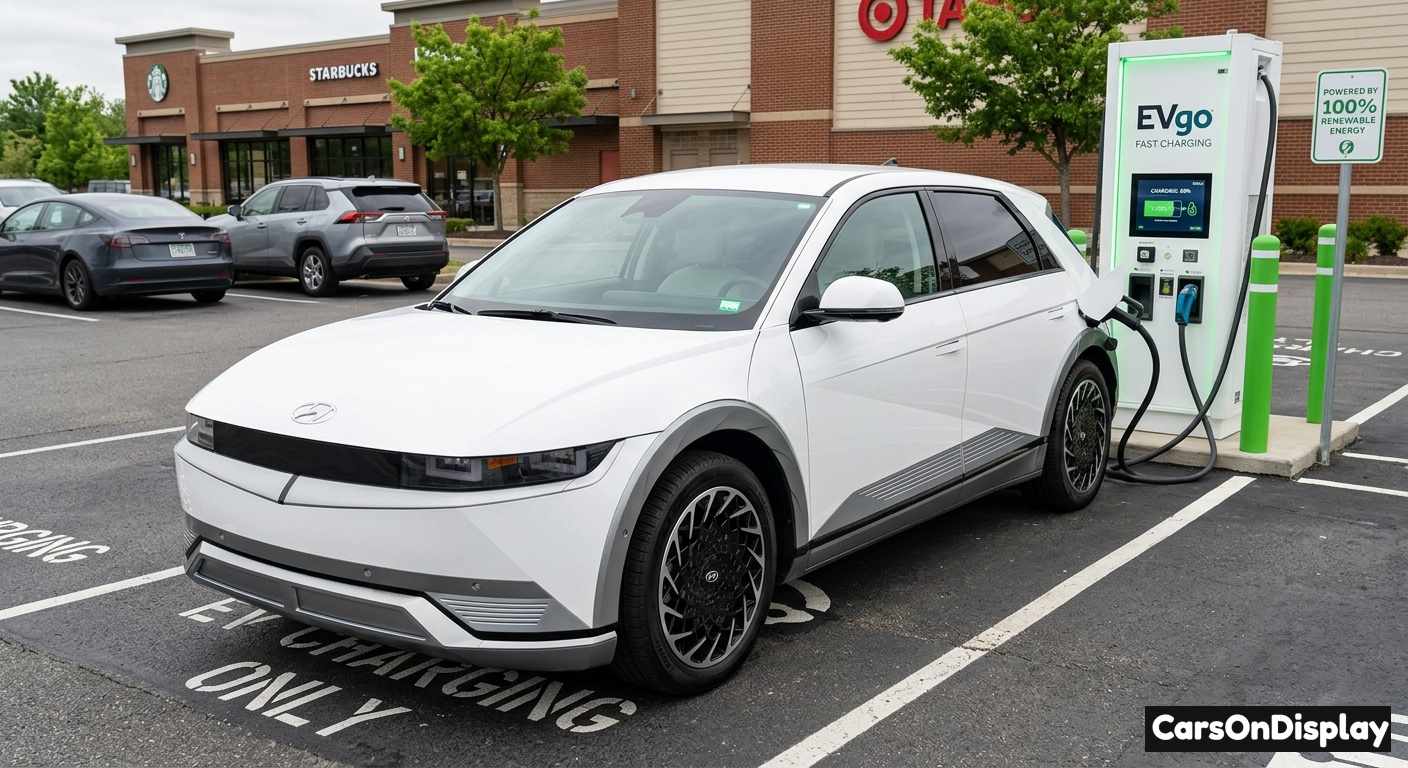
Two technologies have emerged as serious contenders: solid-state batteries and sodium-ion batteries. Each of them solves a different problem that lithium-ion struggles with. Understanding how they differ is key to predicting what kind of EV you might be driving in the next five to ten years.
Lithium-ion batteries became the industry standard because they struck a balance between energy density, performance, and practicality. They store energy by moving lithium ions between electrodes through a liquid electrolyte, a system that has been refined over decades.
This maturity is why companies like Tesla have been able to scale EV production globally. The technology delivers strong range, reliable performance, and fast charging capabilities that consumers now expect.
But lithium-ion batteries come with trade-offs that are becoming harder to ignore. The cost of raw materials like lithium and cobalt fluctuates heavily, which directly impacts EV pricing. There are also safety concerns, particularly related to overheating and thermal runaway. While rare, battery fires have shaped public perception and pushed manufacturers to look for safer alternatives.
In short, lithium-ion works well, but it is not perfect, and more importantly, it may not be the most cost-effective solution for mass adoption in emerging markets.
Solid-state batteries take the same basic idea as lithium-ion and refine it by replacing the liquid electrolyte with a solid one. That one change has massive implications.
Because there is no flammable liquid inside, the battery becomes inherently safer. It can also store more energy in the same space, which means longer driving ranges without increasing battery size. Charging speeds are expected to improve as well, potentially reducing wait times significantly.
Automakers like Toyota are investing heavily in this technology, and companies like QuantumScape are working to bring it to market. However, despite the hype, solid-state batteries are still facing real-world challenges.
Manufacturing them at scale is extremely complex, and costs remain very high. This means that when they do arrive, they will likely appear first in premium EVs rather than affordable ones.
So while solid-state batteries represent a technological leap, they are not the immediate answer for making EVs cheaper.
Sodium-ion batteries are gaining attention for a completely different reason. Instead of focusing on performance, they focus on cost and availability.
Sodium is one of the most abundant elements on Earth, which makes it significantly cheaper and easier to source than lithium. This directly translates into lower battery costs, which is critical for markets where affordability is the main barrier to EV adoption.
Companies like CATL have already begun developing and deploying sodium-ion batteries, signaling that this is not just a theoretical concept but a near-term reality.
The trade-off is energy density. Sodium-ion batteries cannot store as much energy as lithium-ion, which means shorter driving ranges. However, for city driving, daily commuting, and budget EVs, this limitation is not as critical as it might seem.
In fact, sodium-ion batteries also perform better in colder temperatures and are inherently safer, making them a strong candidate for practical, everyday use.
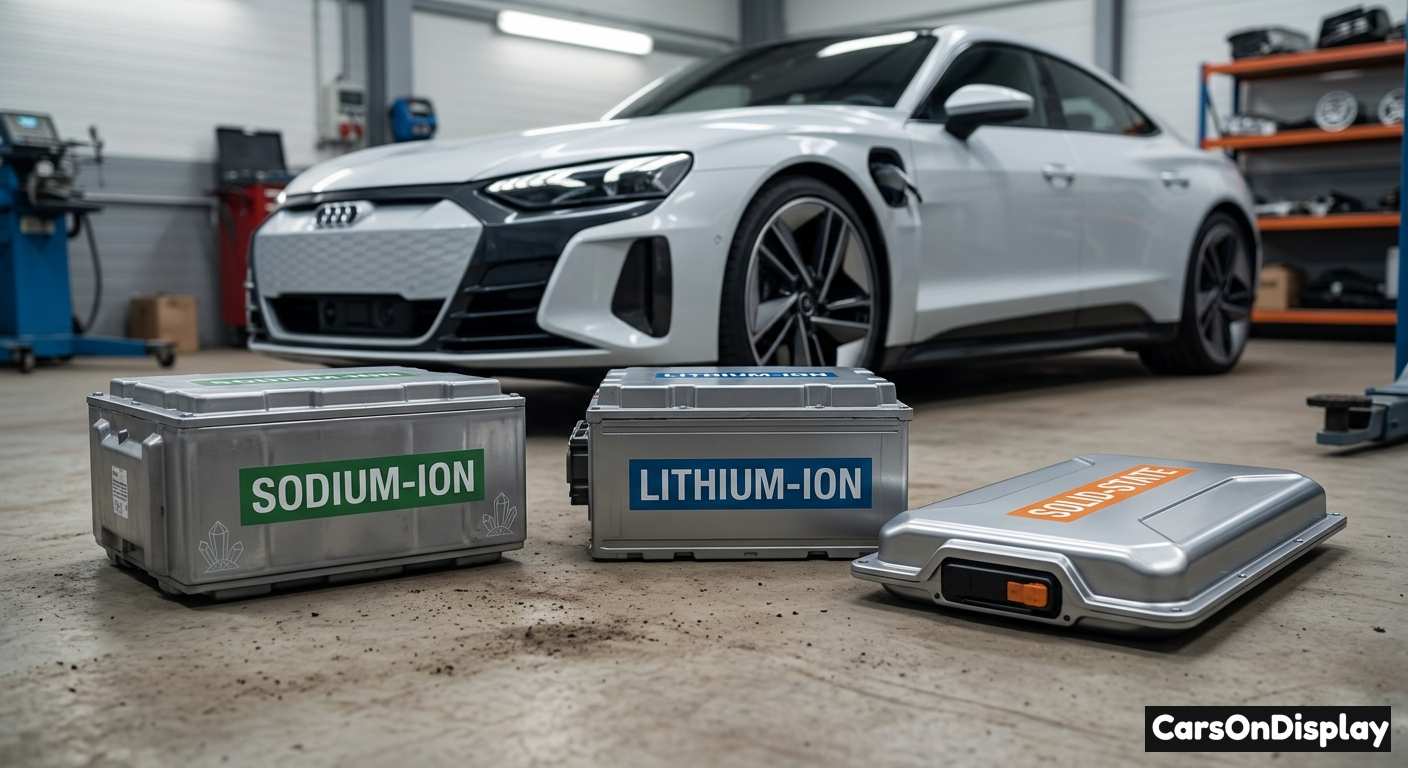
For most buyers, the decision will not come down to chemistry but to price. Lithium-ion batteries, while effective, are still expensive because of their reliance on scarce materials. Solid-state batteries, at least initially, will likely push EV prices even higher due to their complexity.
Sodium-ion batteries, on the other hand, open the door to truly affordable EVs. This is especially important in countries where price sensitivity is high and infrastructure is still developing. A slightly lower range is often an acceptable compromise if it means a significantly lower upfront cost.
This is exactly why many analysts believe that the next wave of budget EVs will move away from lithium.
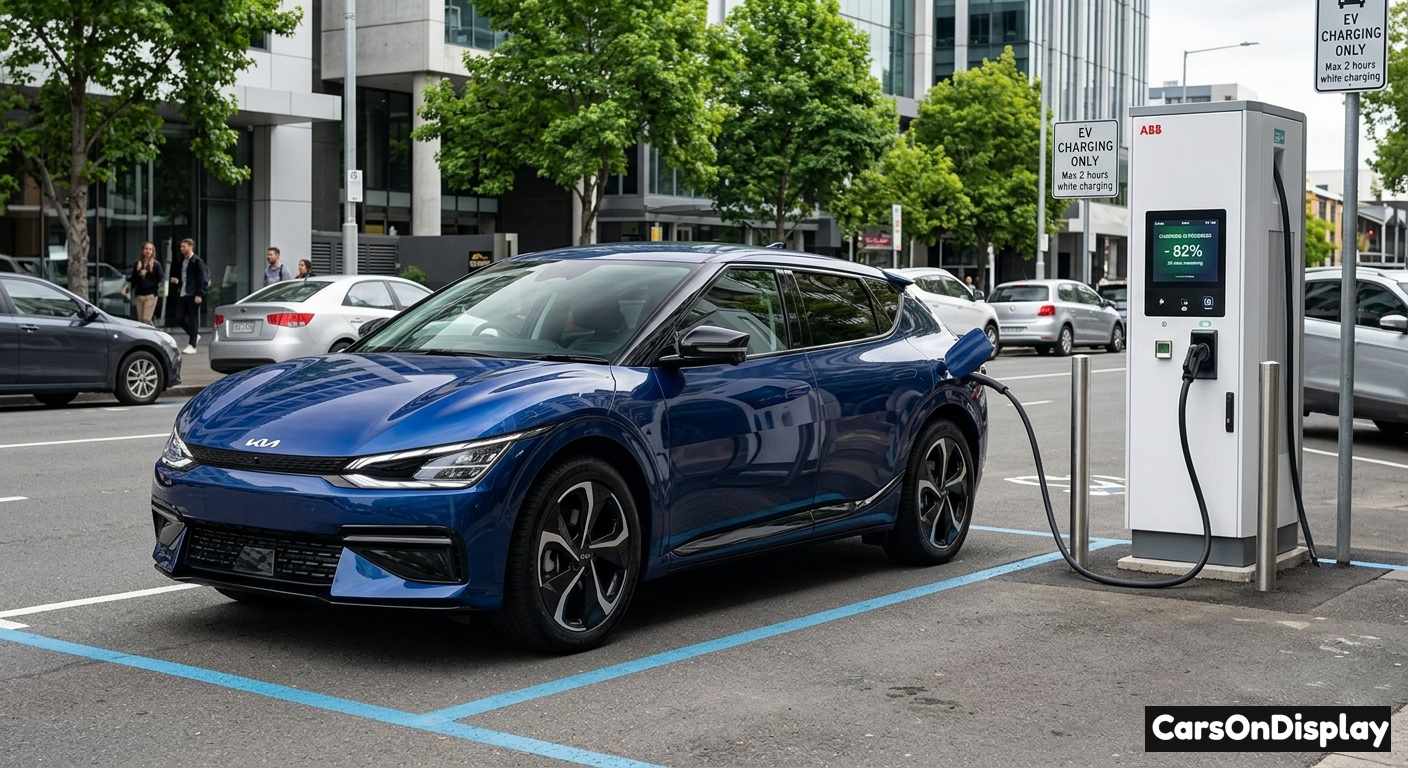
Safety is another factor shaping the future of EV batteries. Lithium-ion batteries require careful thermal management to prevent overheating. Solid-state batteries reduce this risk significantly by eliminating flammable components. Sodium-ion batteries, while less energy-dense, also offer a safer and more stable chemistry.
As EV adoption grows, safety will become a bigger selling point, not just a technical detail.
It’s tempting to look for a single “best” battery technology, but the future is likely to be more nuanced.
Lithium-ion batteries will continue to dominate in the near term because of their established supply chains and performance. Solid-state batteries will gradually enter the market as a premium solution, offering better range and safety for higher-end vehicles. Sodium-ion batteries will carve out a strong position in the budget segment, making EVs accessible to a wider audience.
Rather than replacing lithium entirely, these technologies will coexist, each serving a different purpose.
Two technologies have emerged as serious contenders: solid-state batteries and sodium-ion batteries. Each of them solves a different problem that lithium-ion struggles with. Understanding how they differ is key to predicting what kind of EV you might be driving in the next five to ten years.
Lithium-Ion Batteries: The Benchmark We Know
Lithium-ion batteries became the industry standard because they struck a balance between energy density, performance, and practicality. They store energy by moving lithium ions between electrodes through a liquid electrolyte, a system that has been refined over decades.
This maturity is why companies like Tesla have been able to scale EV production globally. The technology delivers strong range, reliable performance, and fast charging capabilities that consumers now expect.
But lithium-ion batteries come with trade-offs that are becoming harder to ignore. The cost of raw materials like lithium and cobalt fluctuates heavily, which directly impacts EV pricing. There are also safety concerns, particularly related to overheating and thermal runaway. While rare, battery fires have shaped public perception and pushed manufacturers to look for safer alternatives.
In short, lithium-ion works well, but it is not perfect, and more importantly, it may not be the most cost-effective solution for mass adoption in emerging markets.
Solid-State Batteries: The High-End Evolution
Solid-state batteries take the same basic idea as lithium-ion and refine it by replacing the liquid electrolyte with a solid one. That one change has massive implications.
Because there is no flammable liquid inside, the battery becomes inherently safer. It can also store more energy in the same space, which means longer driving ranges without increasing battery size. Charging speeds are expected to improve as well, potentially reducing wait times significantly.
Automakers like Toyota are investing heavily in this technology, and companies like QuantumScape are working to bring it to market. However, despite the hype, solid-state batteries are still facing real-world challenges.
Manufacturing them at scale is extremely complex, and costs remain very high. This means that when they do arrive, they will likely appear first in premium EVs rather than affordable ones.
So while solid-state batteries represent a technological leap, they are not the immediate answer for making EVs cheaper.
Sodium-Ion Batteries: The Practical Disruptor
Sodium-ion batteries are gaining attention for a completely different reason. Instead of focusing on performance, they focus on cost and availability.
Sodium is one of the most abundant elements on Earth, which makes it significantly cheaper and easier to source than lithium. This directly translates into lower battery costs, which is critical for markets where affordability is the main barrier to EV adoption.
Companies like CATL have already begun developing and deploying sodium-ion batteries, signaling that this is not just a theoretical concept but a near-term reality.
The trade-off is energy density. Sodium-ion batteries cannot store as much energy as lithium-ion, which means shorter driving ranges. However, for city driving, daily commuting, and budget EVs, this limitation is not as critical as it might seem.
In fact, sodium-ion batteries also perform better in colder temperatures and are inherently safer, making them a strong candidate for practical, everyday use.
Quick Comparison at a Glance
| Feature | Lithium-Ion | Solid-State | Sodium-Ion |
|---|---|---|---|
| Energy Density | High | Very High | Moderate |
| Cost | High | Very High | Low |
| Range | Long | Very Long | Moderate |
| Charging Speed | Fast | Very Fast | Moderate |
| Lifespan | Good | Excellent | Good |
| Best For | Current EVs & Long Range | Premium Future EVs | Budget EVs & City Use |
| Availability | Widely Available | Limited (In Development) | Emerging |
Why Cost Will Decide the Winner
For most buyers, the decision will not come down to chemistry but to price. Lithium-ion batteries, while effective, are still expensive because of their reliance on scarce materials. Solid-state batteries, at least initially, will likely push EV prices even higher due to their complexity.
Sodium-ion batteries, on the other hand, open the door to truly affordable EVs. This is especially important in countries where price sensitivity is high and infrastructure is still developing. A slightly lower range is often an acceptable compromise if it means a significantly lower upfront cost.
This is exactly why many analysts believe that the next wave of budget EVs will move away from lithium.
Safety and Reliability in Real Life
Safety is another factor shaping the future of EV batteries. Lithium-ion batteries require careful thermal management to prevent overheating. Solid-state batteries reduce this risk significantly by eliminating flammable components. Sodium-ion batteries, while less energy-dense, also offer a safer and more stable chemistry.
As EV adoption grows, safety will become a bigger selling point, not just a technical detail.
The Future: Not One Winner, But Three Roles
It’s tempting to look for a single “best” battery technology, but the future is likely to be more nuanced.
Lithium-ion batteries will continue to dominate in the near term because of their established supply chains and performance. Solid-state batteries will gradually enter the market as a premium solution, offering better range and safety for higher-end vehicles. Sodium-ion batteries will carve out a strong position in the budget segment, making EVs accessible to a wider audience.
Rather than replacing lithium entirely, these technologies will coexist, each serving a different purpose.
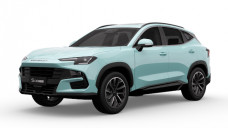

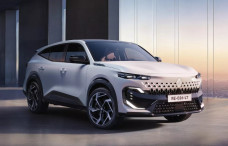

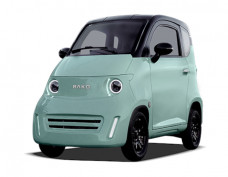
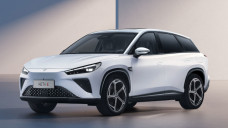




 Solid-State vs Sodium-Ion vs Lithium EV Batteries
 Top 10 Chinese Car Brands Leading Global Market 2026
 Top 5 Fastest Hypercars in 2026 Approaching 300 MPH
 What Car Can I Afford Making $3,000 a Month?
 Best 3-Row Family SUVs of 2026: Top 10 Picks
 Top 10 Electric Hypercars in the World
 Affordable Station Wagons Under $50K in 2026
 Top 5 Hot Hatchbacks in Australia in 2026