Why modern cars are evolving like smartphones with software at the core
A few years ago, when you bought a car, what you saw on day one was exactly what you would live with for the next five or ten years. The engine performance stayed the same. The infotainment system slowly felt outdated. Even small issues required a trip to the service center.
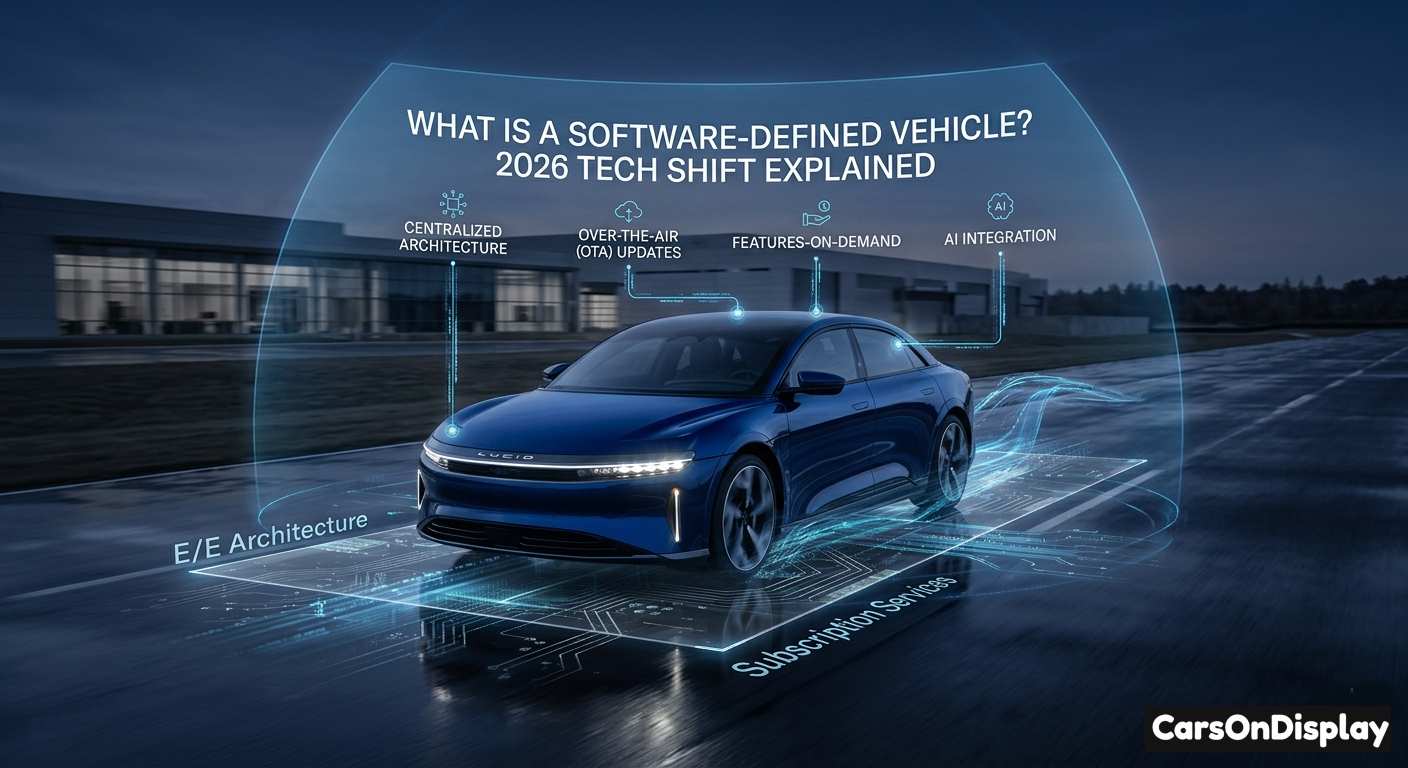
Now imagine buying a car that actually gets better after you drive it home.
That’s not a futuristic idea anymore. That’s what a Software-Defined Vehicle (SDV) is in 2026.
The easiest way to understand this shift is through something you already use every day-your smartphone. When you first bought your phone, it had certain features. Over time, software updates added new capabilities, improved performance, and even changed how it felt to use. The hardware stayed the same, but the experience evolved.
Cars are now going through that exact transformation.
The automotive world didn’t suddenly decide to change direction. This shift is happening because cars themselves have fundamentally changed. Electric vehicles replaced complex mechanical systems with simpler hardware that depends heavily on software. At the same time, constant internet connectivity turned cars into always-online devices. Add artificial intelligence into the mix, and suddenly the car is no longer just reacting-it’s learning.
Companies like Tesla built their entire ecosystem around software from the beginning. Meanwhile, newer players such as NIO and BYD pushed the boundaries further by integrating cloud intelligence and battery optimization into everyday driving.
The result is simple: the “brain” of the car has shifted from mechanical components to software systems.
In traditional vehicles, the engine and transmission defined everything. Performance, efficiency, and even driving feel were locked in at the factory. Software existed, but only in small, isolated modules.
In 2026, that idea feels outdated.
Modern cars are built around a central software stack, and the hardware acts more like a supporting structure. This means performance is no longer fixed. Safety systems are no longer static. Even the driving experience itself can change over time.
To understand how dramatic this shift is, take a look at how OTA updates have transformed cars:
This table explains why SDVs are such a big deal. A car is no longer something that gradually becomes obsolete. It’s something that can stay relevant-and sometimes even improve-years after purchase.
One of the biggest hidden changes in SDVs is how the electronics inside the car are structured.
Older vehicles used dozens-sometimes over a hundred-small computers called ECUs. Each one handled a specific task. One for braking, another for infotainment, another for engine control, and so on. These systems rarely communicated efficiently, which made updates slow and complicated.
Now, everything is being consolidated.
Modern SDVs rely on High-Performance Compute (HPC) systems-essentially a few powerful central computers that control the entire vehicle. This architecture is often referred to as centralized E/E architecture.
The benefits are huge. Updates become faster and more reliable. The car can process data in real time. AI features work more smoothly. Even wiring complexity is reduced, which helps with manufacturing and maintenance.
In simple terms, cars are starting to resemble data centers on wheels.
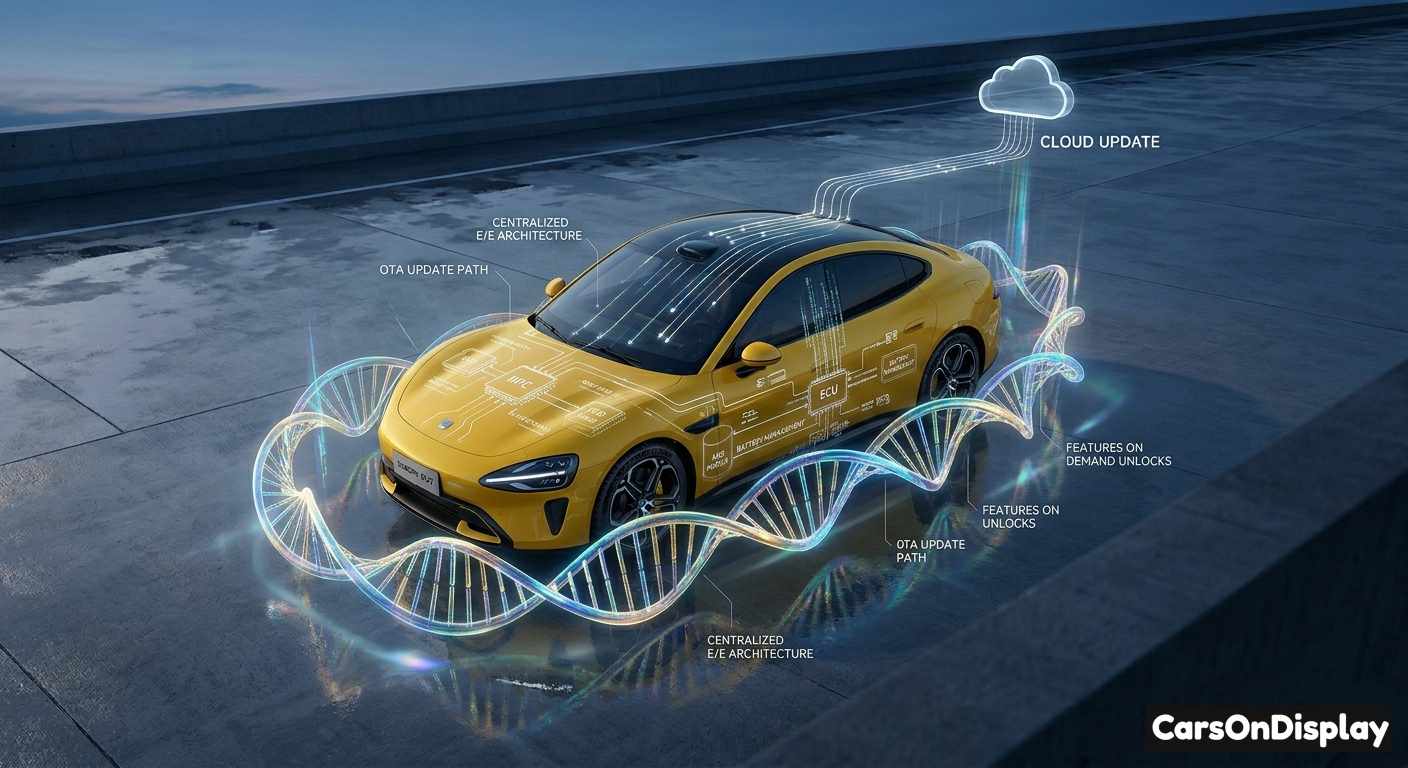
Over-the-Air updates are the backbone of Software-Defined Vehicles, and they completely change what ownership feels like.
Earlier, if your car had a software bug or needed improvement, you had to visit a service center. In some cases, it meant a full recall. Today, those same fixes can happen overnight while your car is parked.
But OTA updates are no longer just about fixing problems. They are about adding value.
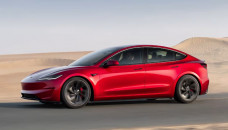
Take the Tesla Model 3 (2026 Refresh) as an example. Its AI-driven cockpit evolves continuously. Voice commands improve. Interface layouts change. Driving assistance features become smarter. The car you drive today is not the same car you bought months ago.
This idea is spreading quickly across the industry, redefining what “ownership” actually means.
The companies leading this shift are not just building cars-they’re building ecosystems.
The Xiaomi SU7 Ultra is a perfect example. It doesn’t just function as a vehicle. It connects with your home devices, your phone, and your digital life. The car becomes part of a larger tech environment rather than a standalone product.
Meanwhile, BYD and NIO are focusing heavily on battery intelligence. Their systems use cloud-based data to optimize battery performance, improve range, and even adapt to driving habits.
These are not small upgrades. They represent a completely new philosophy of how vehicles should work.
Not every part of the SDV revolution is universally loved.
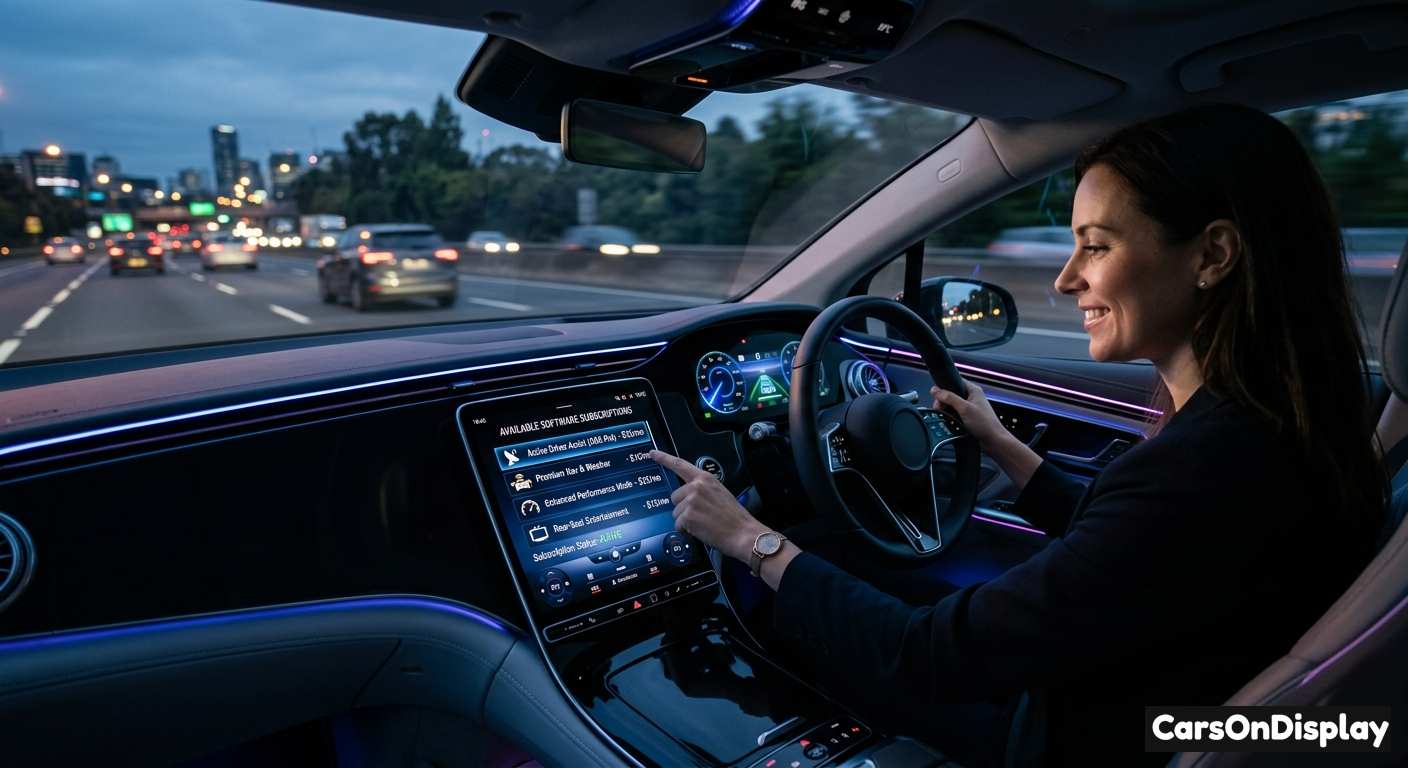
One of the more controversial trends is Features on Demand (FOD)-where certain features are unlocked through subscriptions instead of being included in the purchase price.
For instance, BMW experimented with subscription-based heated seats. Tesla allows users to pay for performance boosts or advanced driving features after buying the car.
On one hand, this lowers the initial cost and gives flexibility. On the other hand, it raises questions about ownership. If you stop paying, you might lose access to features that are physically already in your car.
This shift is still evolving, and consumer acceptance varies widely.
Traditionally, buying a used car meant accepting outdated technology. Older infotainment systems, reduced efficiency, and aging performance were expected.
That logic no longer holds.
A three-year-old Software-Defined Vehicle may actually feel more advanced than when it was first sold. Software updates add features, improve performance, and refine the driving experience over time.
This means resale value is no longer tied only to hardware condition. It’s also influenced by how well the software has aged-and how actively the manufacturer continues to support it.
Software is now deeply involved in how a car drives and how safe it is.
Performance tuning can happen digitally. Torque delivery can be adjusted. Energy usage can be optimized for better efficiency. While software cannot exceed physical limits, it can extract more from existing hardware.
Safety has also taken a major leap forward. Advanced Driver Assistance Systems (ADAS) can now improve continuously through updates. Instead of waiting years for new safety features, drivers can receive improvements in real time.
However, this also introduces new challenges. Cybersecurity becomes critical. A bug is no longer just an inconvenience-it can affect core driving systems. That’s why automakers are investing heavily in encryption, redundancy, and secure cloud infrastructure.
From a buyer’s perspective, Software-Defined Vehicles change how money is spent.
The upfront cost may not be drastically different, but what happens after purchase is where things shift. Maintenance costs can drop because fewer mechanical components fail. At the same time, subscription features can add recurring expenses.
In a way, owning a car starts to feel similar to owning a digital service. You’re not just paying for hardware-you’re paying for ongoing improvements and access.
The transition to Software-Defined Vehicles is still in its early stages, but the direction is clear.
Cars are becoming smarter, more connected, and more integrated into everyday life. They are no longer isolated machines-they are part of a broader digital ecosystem.
Looking ahead, the idea of a car that improves itself overnight will feel completely normal. The real question won’t be whether your car gets updates, but how often-and how meaningful those updates are.
Now imagine buying a car that actually gets better after you drive it home.
That’s not a futuristic idea anymore. That’s what a Software-Defined Vehicle (SDV) is in 2026.
The easiest way to understand this shift is through something you already use every day-your smartphone. When you first bought your phone, it had certain features. Over time, software updates added new capabilities, improved performance, and even changed how it felt to use. The hardware stayed the same, but the experience evolved.
Cars are now going through that exact transformation.
Why is my car becoming a Software-Defined Vehicle?
The automotive world didn’t suddenly decide to change direction. This shift is happening because cars themselves have fundamentally changed. Electric vehicles replaced complex mechanical systems with simpler hardware that depends heavily on software. At the same time, constant internet connectivity turned cars into always-online devices. Add artificial intelligence into the mix, and suddenly the car is no longer just reacting-it’s learning.
Companies like Tesla built their entire ecosystem around software from the beginning. Meanwhile, newer players such as NIO and BYD pushed the boundaries further by integrating cloud intelligence and battery optimization into everyday driving.
The result is simple: the “brain” of the car has shifted from mechanical components to software systems.
The Core Shift: From Mechanical Machines to Digital Platforms
In traditional vehicles, the engine and transmission defined everything. Performance, efficiency, and even driving feel were locked in at the factory. Software existed, but only in small, isolated modules.
In 2026, that idea feels outdated.
Modern cars are built around a central software stack, and the hardware acts more like a supporting structure. This means performance is no longer fixed. Safety systems are no longer static. Even the driving experience itself can change over time.
To understand how dramatic this shift is, take a look at how OTA updates have transformed cars:
| Feature Category | Traditional Vehicle (Pre-2023) | Software-Defined Vehicle (2026) |
|---|---|---|
| Performance | Fixed at time of purchase. | HP/Torque Boosts via software unlock. |
| Safety | Requires physical recall for fixes. | Active ADAS Updates (e.g., better rain sensing). |
| Battery/Range | Static efficiency. | BMS Optimization to increase range by 5–10%. |
| Infotainment | Outdated in 3 years. | New Apps & AI Assistants added monthly. |
| Resale Value | Drops as hardware ages. | Maintains value as software stays current. |
This table explains why SDVs are such a big deal. A car is no longer something that gradually becomes obsolete. It’s something that can stay relevant-and sometimes even improve-years after purchase.
What is High-Performance Compute (HPC) in 2026 Cars?
One of the biggest hidden changes in SDVs is how the electronics inside the car are structured.
Older vehicles used dozens-sometimes over a hundred-small computers called ECUs. Each one handled a specific task. One for braking, another for infotainment, another for engine control, and so on. These systems rarely communicated efficiently, which made updates slow and complicated.
Now, everything is being consolidated.
Modern SDVs rely on High-Performance Compute (HPC) systems-essentially a few powerful central computers that control the entire vehicle. This architecture is often referred to as centralized E/E architecture.
The benefits are huge. Updates become faster and more reliable. The car can process data in real time. AI features work more smoothly. Even wiring complexity is reduced, which helps with manufacturing and maintenance.
In simple terms, cars are starting to resemble data centers on wheels.
What are the benefits of OTA updates in 2026?
Over-the-Air updates are the backbone of Software-Defined Vehicles, and they completely change what ownership feels like.
Earlier, if your car had a software bug or needed improvement, you had to visit a service center. In some cases, it meant a full recall. Today, those same fixes can happen overnight while your car is parked.
But OTA updates are no longer just about fixing problems. They are about adding value.
Take the Tesla Model 3 (2026 Refresh) as an example. Its AI-driven cockpit evolves continuously. Voice commands improve. Interface layouts change. Driving assistance features become smarter. The car you drive today is not the same car you bought months ago.
This idea is spreading quickly across the industry, redefining what “ownership” actually means.
Case Study: The Leaders of the SDV Era
The companies leading this shift are not just building cars-they’re building ecosystems.
The Xiaomi SU7 Ultra is a perfect example. It doesn’t just function as a vehicle. It connects with your home devices, your phone, and your digital life. The car becomes part of a larger tech environment rather than a standalone product.
Meanwhile, BYD and NIO are focusing heavily on battery intelligence. Their systems use cloud-based data to optimize battery performance, improve range, and even adapt to driving habits.
These are not small upgrades. They represent a completely new philosophy of how vehicles should work.
What is “Car Software Subscriptions 2026”?
Not every part of the SDV revolution is universally loved.
One of the more controversial trends is Features on Demand (FOD)-where certain features are unlocked through subscriptions instead of being included in the purchase price.
For instance, BMW experimented with subscription-based heated seats. Tesla allows users to pay for performance boosts or advanced driving features after buying the car.
On one hand, this lowers the initial cost and gives flexibility. On the other hand, it raises questions about ownership. If you stop paying, you might lose access to features that are physically already in your car.
This shift is still evolving, and consumer acceptance varies widely.
SDV Resale Value 2026: Why Used Cars Are Changing
Traditionally, buying a used car meant accepting outdated technology. Older infotainment systems, reduced efficiency, and aging performance were expected.
That logic no longer holds.
A three-year-old Software-Defined Vehicle may actually feel more advanced than when it was first sold. Software updates add features, improve performance, and refine the driving experience over time.
This means resale value is no longer tied only to hardware condition. It’s also influenced by how well the software has aged-and how actively the manufacturer continues to support it.
Performance and Safety: The Software Advantage
Software is now deeply involved in how a car drives and how safe it is.
Performance tuning can happen digitally. Torque delivery can be adjusted. Energy usage can be optimized for better efficiency. While software cannot exceed physical limits, it can extract more from existing hardware.
Safety has also taken a major leap forward. Advanced Driver Assistance Systems (ADAS) can now improve continuously through updates. Instead of waiting years for new safety features, drivers can receive improvements in real time.
However, this also introduces new challenges. Cybersecurity becomes critical. A bug is no longer just an inconvenience-it can affect core driving systems. That’s why automakers are investing heavily in encryption, redundancy, and secure cloud infrastructure.
Cost Implications: What Does This Mean for Buyers?
From a buyer’s perspective, Software-Defined Vehicles change how money is spent.
The upfront cost may not be drastically different, but what happens after purchase is where things shift. Maintenance costs can drop because fewer mechanical components fail. At the same time, subscription features can add recurring expenses.
In a way, owning a car starts to feel similar to owning a digital service. You’re not just paying for hardware-you’re paying for ongoing improvements and access.
The Bigger Picture: Where the Industry is Heading
The transition to Software-Defined Vehicles is still in its early stages, but the direction is clear.
Cars are becoming smarter, more connected, and more integrated into everyday life. They are no longer isolated machines-they are part of a broader digital ecosystem.
Looking ahead, the idea of a car that improves itself overnight will feel completely normal. The real question won’t be whether your car gets updates, but how often-and how meaningful those updates are.
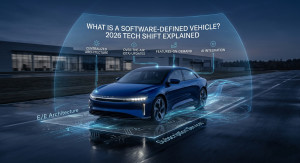 What is a Software-Defined Vehicle? 2026 Tech Shift Explained
 Solid-State vs Sodium-Ion vs Lithium EV Batteries
 Top 10 Chinese Car Brands Leading Global Market 2026
 Top 5 Fastest Hypercars in 2026 Approaching 300 MPH
 What Car Can I Afford Making $3,000 a Month?
 Best 3-Row Family SUVs of 2026: Top 10 Picks
 Top 10 Electric Hypercars in the World
 Affordable Station Wagons Under $50K in 2026