Everything You Need to Know About the New Formula 1 Regulations
Formula 1 is preparing for a major reset in 2026. The FIA has confirmed a new set of technical regulations that will change how cars look, how they race, and how power is delivered. The aim is clear: closer racing, lighter cars, cleaner technology, and a future-ready Formula 1.
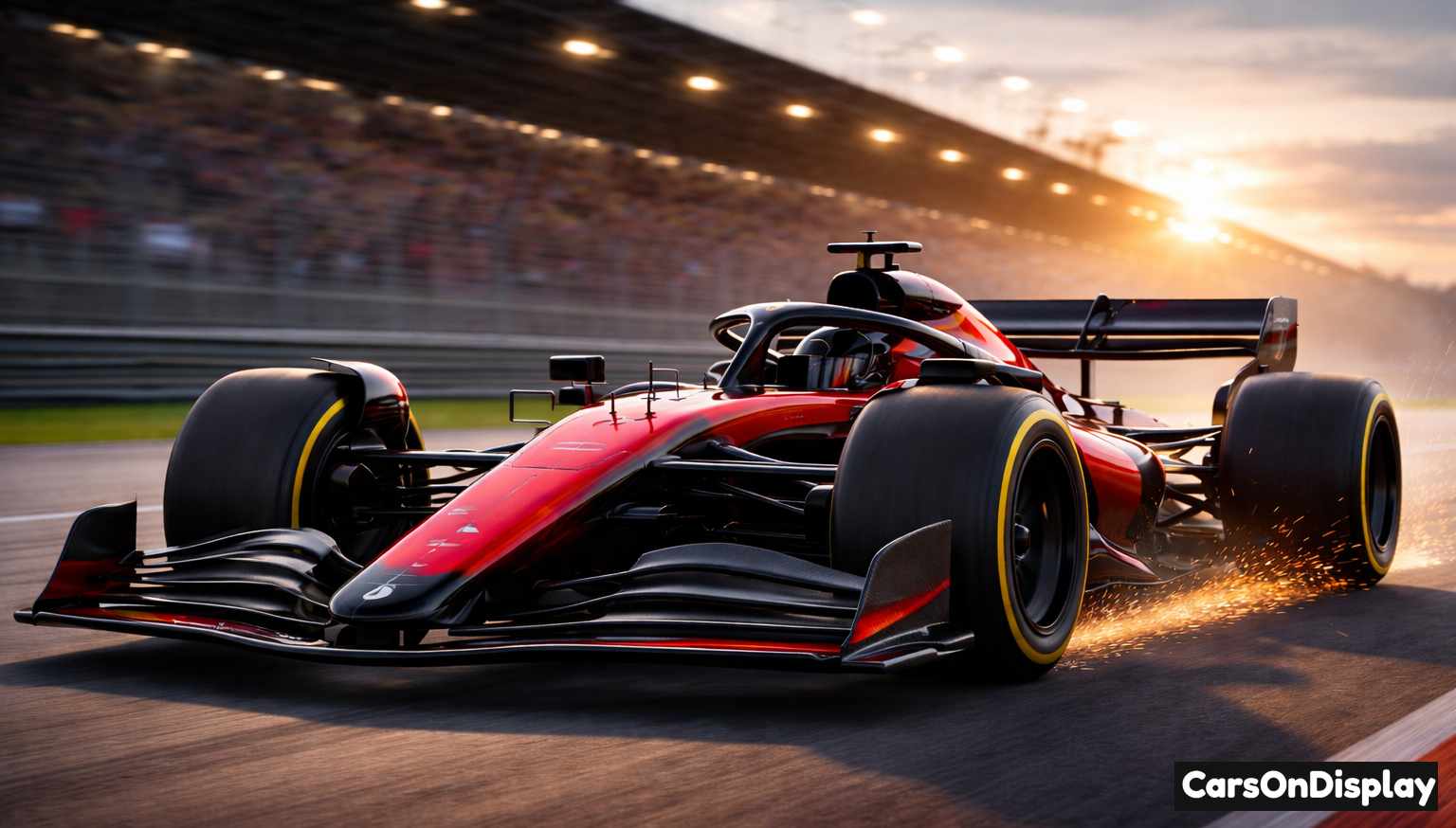
Here’s a simple breakdown of what fans, teams, and drivers can expect when the new era begins.
One of the first things you’ll notice in 2026 is that the cars are smaller and lighter. The wheelbase and width have been trimmed to make cars more nimble around corners. They also shed about 30kg in weight.
The aerodynamic design has changed too. The complex tunnels under the car from previous years are gone. In their place is a simpler, flat floor with a bigger diffuser opening, meaning less downforce overall. This gives teams more freedom with setup and should mix things up on track.
Perhaps the biggest talking point is the end of the traditional drag reduction system (DRS). Instead of that single flap that opens on straights, cars will now use active aerodynamics. These movable wings can change their angle based on where a car is on the track. In straights, flaps open for less drag and higher speed. In corners, they close to give more grip.
F1 also introduces Overtake Mode. It’s triggered when a driver is within one second of the car ahead, giving extra electrical power to help make a pass.
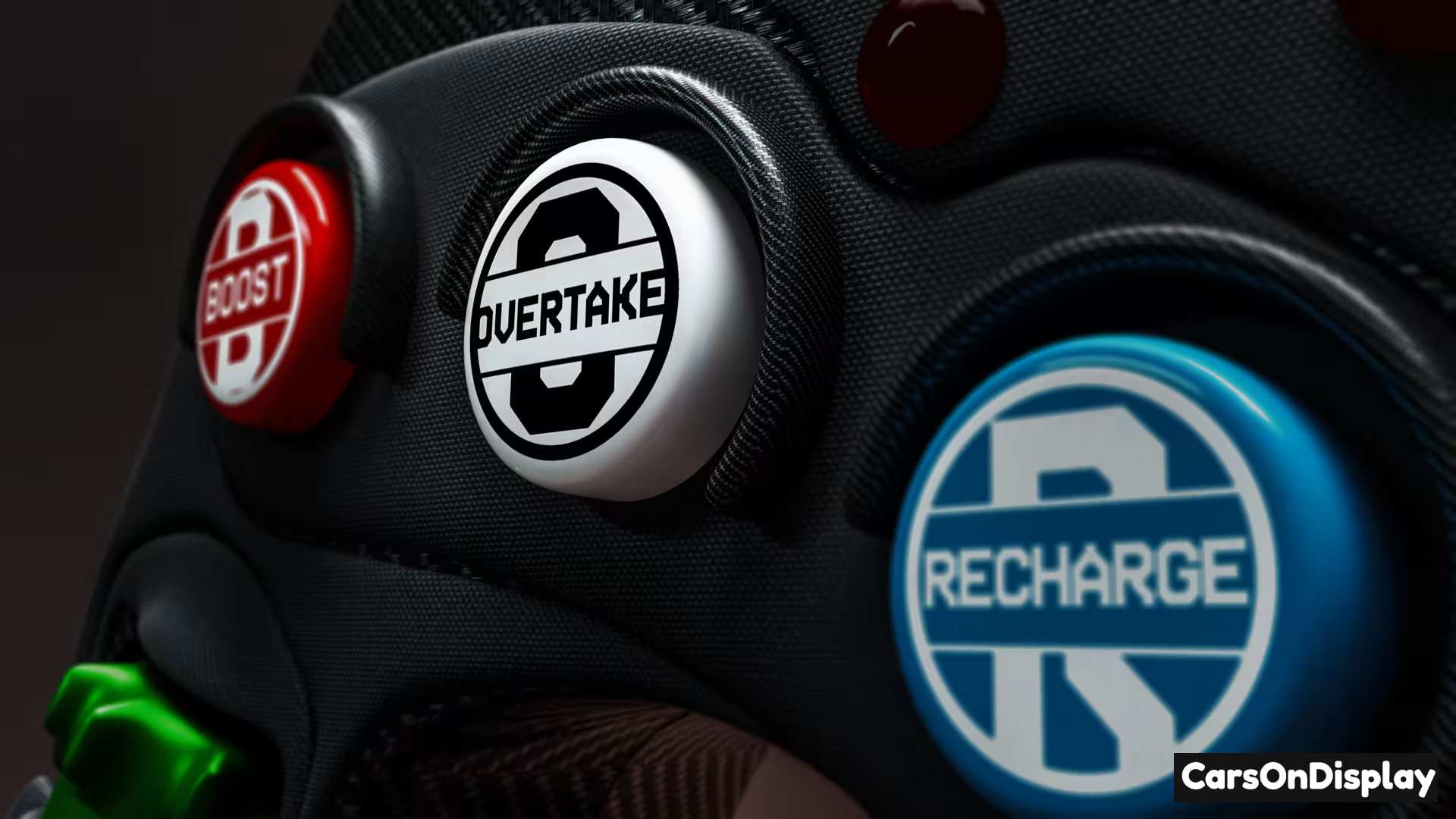
Under the new rules, the cars still use 1.6-litre turbo hybrid engines. But what’s under the skin has changed a lot. The biggest shift is in the hybrid system. The electric motor’s output is now much higher. The balance between petrol and electric power is roughly 50/50.
The old, complex MGU-H unit is gone. This simplifies the engine and makes it more relevant to road-car tech. At the same time, the battery can now recharge more energy per lap, especially under braking or during lift-off.
2026 also marks the first time Formula 1 cars will run on Advanced Sustainable Fuel. This type of fuel comes from sources like carbon capture and non-food biomass and meets strict sustainability standards. This push aligns F1 with broader environmental goals.
Safety improvements are built into the new set of rules too. The driver survival cell will face stronger tests, and the roll hoop must handle more load in a crash. The front impact structure has also been redesigned to absorb impact in stages, offering better protection in severe collisions.

When the lights go out for the 2026 season, we won’t just see a new set of cars on track. We’ll witness a new era of Formula 1. The cars will feel different to drive. Teams will need to rethink strategy with new power deployment and energy recovery systems. Fans might see closer battles and more strategic racing than before.
These rule changes weren’t thrown together overnight. The FIA worked closely with teams and manufacturers to create a package that pushes performance, safety, sustainability and entertainment forward.
Here’s a simple breakdown of what fans, teams, and drivers can expect when the new era begins.
Smaller and More Agile Cars
One of the first things you’ll notice in 2026 is that the cars are smaller and lighter. The wheelbase and width have been trimmed to make cars more nimble around corners. They also shed about 30kg in weight.
The aerodynamic design has changed too. The complex tunnels under the car from previous years are gone. In their place is a simpler, flat floor with a bigger diffuser opening, meaning less downforce overall. This gives teams more freedom with setup and should mix things up on track.
Active Aerodynamics Replace Old DRS
Perhaps the biggest talking point is the end of the traditional drag reduction system (DRS). Instead of that single flap that opens on straights, cars will now use active aerodynamics. These movable wings can change their angle based on where a car is on the track. In straights, flaps open for less drag and higher speed. In corners, they close to give more grip.
F1 also introduces Overtake Mode. It’s triggered when a driver is within one second of the car ahead, giving extra electrical power to help make a pass.
New Power Unit Balance
Under the new rules, the cars still use 1.6-litre turbo hybrid engines. But what’s under the skin has changed a lot. The biggest shift is in the hybrid system. The electric motor’s output is now much higher. The balance between petrol and electric power is roughly 50/50.
The old, complex MGU-H unit is gone. This simplifies the engine and makes it more relevant to road-car tech. At the same time, the battery can now recharge more energy per lap, especially under braking or during lift-off.
Sustainable Fuel
2026 also marks the first time Formula 1 cars will run on Advanced Sustainable Fuel. This type of fuel comes from sources like carbon capture and non-food biomass and meets strict sustainability standards. This push aligns F1 with broader environmental goals.
Safety Gets a Step Up
Safety improvements are built into the new set of rules too. The driver survival cell will face stronger tests, and the roll hoop must handle more load in a crash. The front impact structure has also been redesigned to absorb impact in stages, offering better protection in severe collisions.
What It All Means
When the lights go out for the 2026 season, we won’t just see a new set of cars on track. We’ll witness a new era of Formula 1. The cars will feel different to drive. Teams will need to rethink strategy with new power deployment and energy recovery systems. Fans might see closer battles and more strategic racing than before.
These rule changes weren’t thrown together overnight. The FIA worked closely with teams and manufacturers to create a package that pushes performance, safety, sustainability and entertainment forward.









 Solid-State vs Sodium-Ion vs Lithium EV Batteries
 Top 10 Chinese Car Brands Leading Global Market 2026
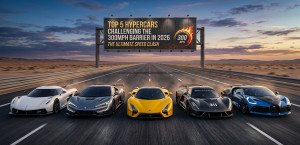 Top 5 Fastest Hypercars in 2026 Approaching 300 MPH
 What Car Can I Afford Making $3,000 a Month?
 Best 3-Row Family SUVs of 2026: Top 10 Picks
 Top 10 Electric Hypercars in the World
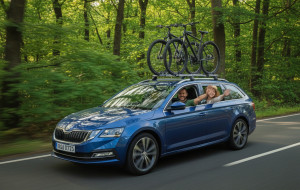 Affordable Station Wagons Under $50K in 2026
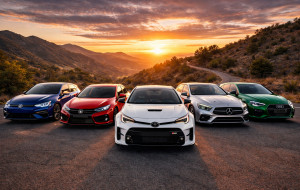 Top 5 Hot Hatchbacks in Australia in 2026